
Phacelurus speciosus
Phacelurus speciosus
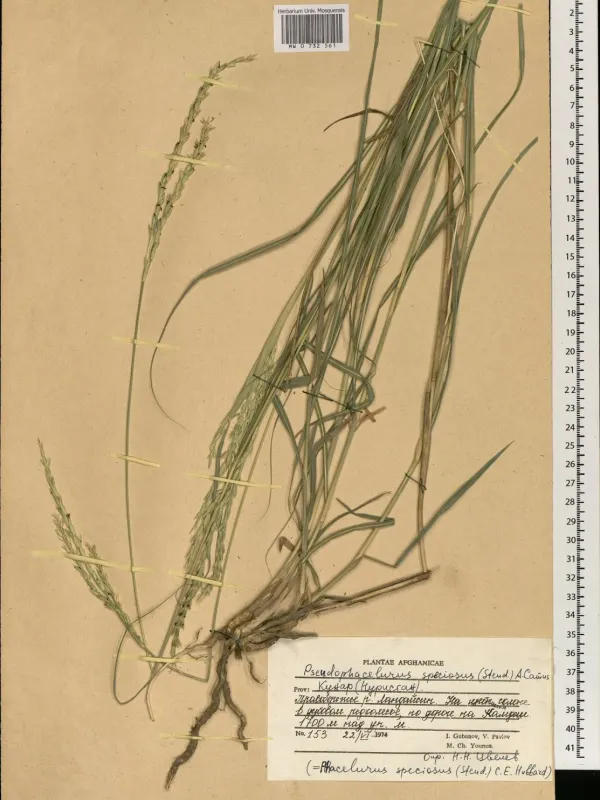
Description
Growing requirements
Phacelurus speciosus is a perennial grass species belonging to the Poaceae family. It is recognized for its robust growth habit and its potential as a valuable forage resource in various temperate and subtropical regions of the world.
Native to East Asia, specifically regions within China, Japan, and Korea, this grass has adapted to diverse ecological niches. Its natural habitat range suggests a high degree of resilience, allowing it to perform well in areas where other forage crops might struggle due to climatic instability.
The crop thrives in well-drained loamy soils and requires sufficient sunlight for optimal tiller development. While it shows remarkable drought tolerance once established, it responds positively to adequate soil moisture during the peak growth season, leading to higher biomass yields.
Botanically, it is characterized by dense tufts and slender stems that can reach over one meter in height. The foliage is highly nutritious, providing essential fiber and protein content necessary for livestock health and efficient weight gain.
In modern agricultural practices, it is utilized primarily for grazing and hay production. Its ability to regrow rapidly after mowing or grazing makes it a sustainable choice for rotational pasture systems, contributing to long-term soil stability and land productivity.
Main diseases and pests
Crop health is occasionally compromised by rust fungi, which are common in dense stands with poor airflow. Maintaining proper plant density and ensuring balanced fertilization are critical strategies to mitigate the impact of these pathogens.
Typical insect pests include grass aphids and stem-boring larvae that target the tender vegetative parts. Integrated pest management, including the encouragement of natural predators and timely scouting, is essential to prevent significant economic damage to the crop.