
Broadleaf forest grass
Phacelurus latifolius
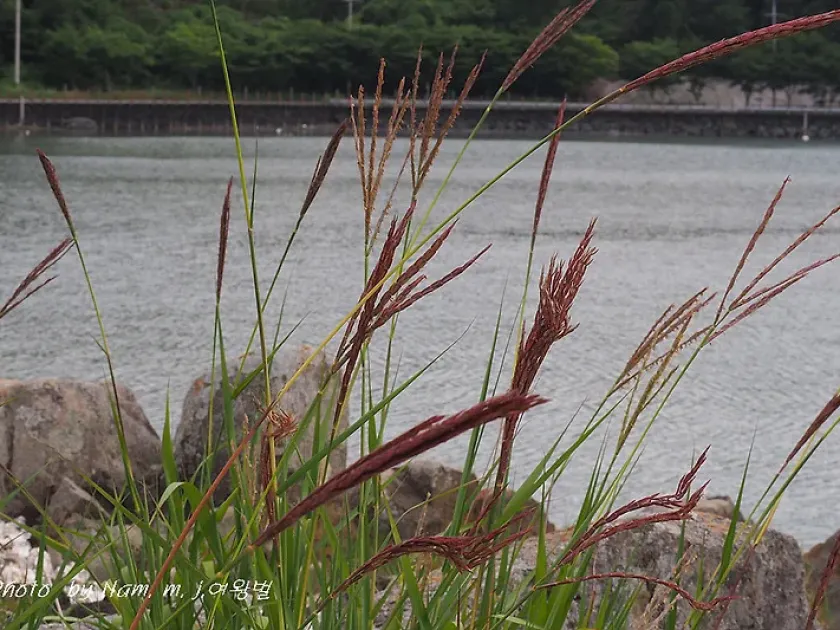
Description
Sowing dates
Phacelurus latifolius is a perennial grass species belonging to the Poaceae family. Sowing of this crop should typically take place in early spring once soil temperatures reach 8–10 degrees Celsius, ensuring uniform germination across the field.
For successful establishment, seeds should be sown at a depth of no more than 1–2 centimeters into a well-prepared seedbed. Shallow planting encourages rapid development of seedlings during the initial vegetative stage.
Seeding rates must be adjusted based on seed purity and local climatic conditions. It is essential to maintain optimal plant density, as overcrowding can lead to reduced biomass productivity over the long term.
In regions with delayed springs, planting can be slightly adjusted, provided there is adequate soil moisture in the upper layer. Young stands require careful management to reduce competition from perennial weeds during the establishment phase.
The species exhibits strong regrowth capacity after harvesting, making it a viable candidate for permanent pastures in temperate regions where sustainable forage production is required.
Growing requirements
This crop has moderate environmental requirements, preferring well-lit areas for maximum growth. It adapts well to various soil types, though high productivity is usually observed on fertile loamy soils.
Phacelurus latifolius is recognized for its high drought tolerance, allowing it to thrive in areas with variable rainfall. However, peak biomass production is achieved when moisture is sufficient during critical growth stages.
The optimal soil pH for this crop ranges from 6.0 to 7.5. In acidic soils, liming is necessary to improve root system development and enhance the overall efficiency of nutrient uptake from the soil profile.
The plant demonstrates excellent winter hardiness, making it capable of surviving harsh winters in its native Asian range. It enters dormancy efficiently if a strong root system is established before the cold season.
Effective fertilization is vital for stable yields. Nitrogen applications significantly stimulate vegetative growth during the peak season, ensuring high protein content in the biomass throughout the year.
Yield
The yield of Phacelurus latifolius depends heavily on the intensity of management and soil fertility. With appropriate irrigation and fertilization, multiple cuts per season are possible under favorable conditions.
The biological potential of this grass allows for its use as both a pasture crop and for hay production. The highest nutrient density is achieved when harvested during the late vegetative or early heading stage.
While yields may be lower under extensive management, the longevity of the stands compensates for the initial costs. A healthy stand can maintain productive yields for 5 to 7 years if managed correctly.
Mixing this grass with legumes is highly recommended to enhance soil nitrogen levels and improve the nutritional value of the forage for livestock, providing a balanced diet for cattle and sheep.
Dry matter yield is a key metric, showing high protein concentrations that make this crop a valuable component of summer grazing rations for ruminant animals in agricultural settings.
Main diseases and pests
Like many grass species, Phacelurus latifolius can be susceptible to rust diseases, particularly in high-humidity years. Preventive measures include crop rotation and avoiding dense stands that restrict airflow.
Pests such as cereal flies and aphids can cause damage to young shoots. If infestations reach economic thresholds, targeted application of approved insecticides is necessary to minimize crop losses.
Fungal infections are often associated with poor drainage or water stagnation in the field. Improving drainage and timely harvesting help to maintain healthy airflow, reducing the incidence of disease in the stand.
Nematodes may affect the root system, leading to decreased vigor and suppressed growth. Using high-quality, disease-free seed and maintaining healthy soil conditions are effective strategies to mitigate these risks.
Regular monitoring of field conditions is essential for early detection of potential outbreaks. An integrated pest management approach helps protect yields while minimizing the impact on local beneficial insects.
Harvesting
Harvesting for hay should commence at the start of flowering, when the plants contain the maximum amount of nutrients. Delaying harvest leads to stem lignification and reduces palatability for livestock.
For grazing, a rotational management system is recommended to provide sufficient recovery time for the grass. A proper stubble height must be maintained to support rapid regrowth and root system regeneration.
Hay processing requires rapid drying to preserve color and vitamin content. Tedding the cut material accelerates moisture loss, preventing spoilage and mold development during the drying process in the field.
When ensiling, strict adherence to compaction protocols is necessary to create anaerobic conditions for quality fermentation. Properly prepared silage allows for long-term storage of the nutrient-rich forage.
Seed production fields should be harvested at the wax-ripeness stage to prevent excessive shattering losses. Proper cleaning and storage of seeds are required to ensure high germination rates for future planting.