
Phacellanthus tubiflorus
Phacellanthus tubiflorus
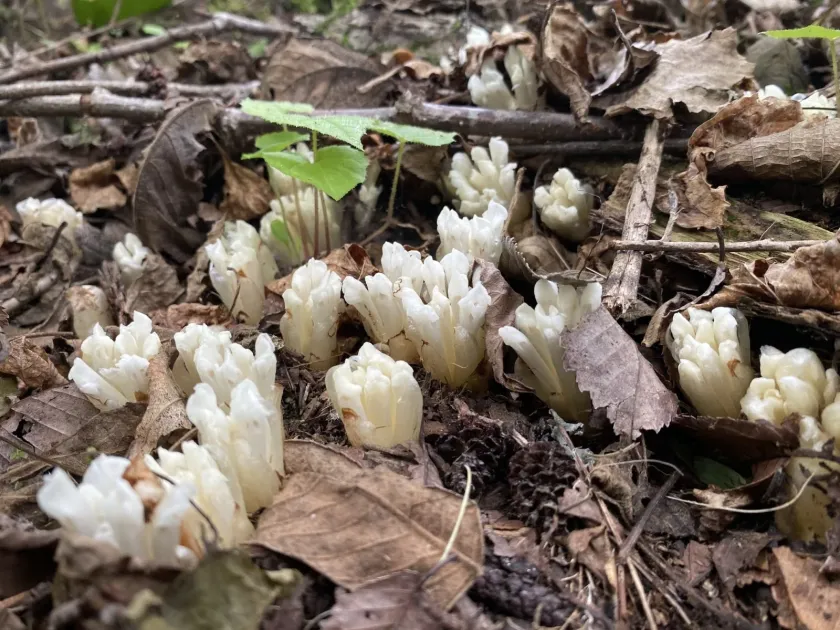
Description
Growing requirements
Phacellanthus tubiflorus is a distinctive herbaceous plant belonging to the Orobanchaceae family. As an obligate root parasite, it lacks chlorophyll and relies entirely on a host plant, typically the Mongolian oak, to fulfill its nutritional requirements.
The natural habitat of this species is concentrated in the forest regions of the Russian Far East, Korea, Japan, and China. It thrives in shaded, humid broad-leaved forest environments where soil moisture remains consistent throughout the growing season.
Biological development of this plant is strictly synchronized with the vitality of the host's root system. The plant produces short, fleshy flowering stems that emerge from the soil surface to facilitate cross-pollination and seed production.
Since Phacellanthus tubiflorus is not a cultivated agricultural crop, its requirements are entirely ecological. It prefers stable, undisturbed forest floors with high levels of organic leaf litter and minimal human intervention.
Cultivation of this species outside its natural habitat is extremely difficult and currently not feasible due to its complex symbiotic relationship with host tree roots and specific soil fungi requirements.
Main diseases and pests
The most significant threats to the species are deforestation and the destruction of mature oak forests, which serve as the primary host base for the survival of the parasite population.
Natural predators include forest rodents that feed on the fleshy structures of the plant, as well as insects that may target the reproductive parts of the plant during the short flowering period.
Pathogenic threats are often linked to excessive moisture or mechanical damage to the host's roots, which can introduce fungal infections that negatively impact the parasite's ability to extract nutrients.
Habitat fragmentation is a major concern, as it limits the dispersal of seeds and prevents the colonization of new host trees in adjacent, potentially more suitable environments.
Conservation status is critical, and the protection of its host trees remains the only effective strategy to prevent the local extinction of this unique botanical organism.