
Peucedanum japonicum
Peucedanum japonicum Thunb.
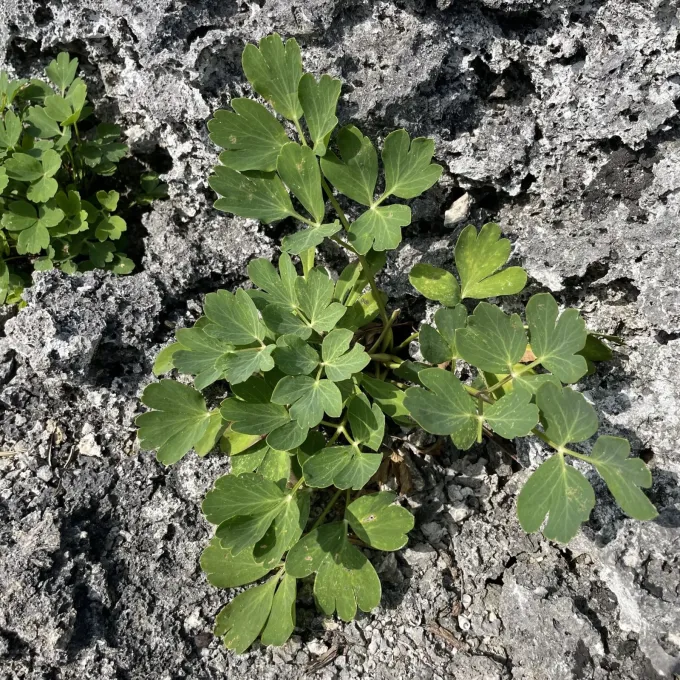
Description
Sowing dates
The sowing of Peucedanum japonicum seeds is typically performed in the spring when soil temperatures stabilize between 10–12°C. Stratified seeds are highly recommended to ensure uniform and rapid germination, as fresh seeds may exhibit deep dormancy.
Seeds should be sown in rows spaced 45–60 centimeters apart to facilitate proper airflow and routine maintenance. A sowing depth of 1–2 centimeters is optimal; deeper placement can significantly delay emergence and weaken young seedlings.
Using a greenhouse for seedling production is a common practice to gain an early start on the growing season. Seeds are started indoors about 40–50 days before the anticipated outdoor transplanting date.
Maintaining consistent soil moisture is crucial during the germination phase. Drying out the soil surface can lead to complete failure, so fine-mist irrigation is preferred in the initial weeks.
Once seedlings have reached the two-to-three leaf stage, thinning is necessary to provide each plant with 20–30 centimeters of space. Proper spacing prevents overcrowding and encourages the development of a robust root system.
Growing requirements
Peucedanum japonicum is a perennial herb belonging to the Apiaceae family. It is native to the coastal regions of East Asia, where it thrives in maritime environments with moderate climates.
The plant prefers full sun but can tolerate partial shade, particularly in hotter climates where protection from the intensity of midday sun is beneficial. Adequate light is essential for the concentration of essential oils in the foliage.
Well-drained, sandy loam or loamy soils are ideal for this crop. The plant is highly sensitive to waterlogged conditions, which can lead to root rot; therefore, selecting an site with excellent natural or installed drainage is essential.
Soil pH should ideally be neutral or slightly acidic, ranging from 6.0 to 7.0. Preparing the soil with organic matter such as compost helps retain enough moisture while ensuring the structure remains light enough for root expansion.
The crop is relatively hardy, but in colder regions, it requires protection from severe frost. A layer of organic mulch applied in late autumn can help protect the crown and roots through the dormant season.
Yield
Peucedanum japonicum is valued for both its culinary and medicinal applications. Its young leaves are used as an aromatic herb in various dishes, prized for their distinct, refreshing flavor.
The roots are rich in phytochemicals, including coumarins, which are studied for their potential health benefits. In traditional herbalism, extracts of the root are often used in tonics and teas.
Yields of fresh foliage depend significantly on moisture levels and nutrient management. In a well-managed crop, growers can expect to harvest the leaves 2–3 times during the primary growing season.
Harvesting for roots typically occurs on a two- or three-year rotation. Waiting for this maturity ensures that the plant has stored maximum amounts of secondary metabolites in its root structure.
The commercial value of the crop is highly dependent on quality control during the harvest and drying processes. Proper processing ensures the final product meets market standards for culinary and medicinal use.
Main diseases and pests
The most common threat to Peucedanum japonicum is root rot, particularly in soils with poor drainage. Phytophthora and Pythium species can proliferate in saturated soils, leading to rapid plant decline.
Aphids are the primary insect pest affecting this crop. They infest the undersides of the leaves and growing points, causing stunted growth and potentially transmitting viral diseases across the field.
Integrated Pest Management strategies, including the use of biological controls such as predatory beetles or lacewings, are effective in managing aphid populations without chemical residues on the foliage.
Fungal foliar diseases, such as powdery mildew, can occur under conditions of high humidity combined with stagnant air. Maintaining proper row spacing and ensuring weed control are critical preventive measures.
Rotating the crop every four to five years is essential to break the disease cycle and prevent the build-up of soil-borne pathogens that thrive on members of the Apiaceae family.
Harvesting
Harvesting of foliage should be conducted manually to ensure only healthy, mature leaves are selected. Care must be taken not to damage the crown, as this serves as the primary point for regrowth.
Root harvest is performed in late autumn after the foliage has naturally senesced. This is when the plant's resources have shifted down to the root system, increasing the quality of the raw material.
Immediately after digging, roots must be washed thoroughly to remove all soil particles. Any damaged or decayed portions should be trimmed away before the final drying process begins.
Drying is a critical stage where the temperature must be strictly controlled, ideally kept below 40°C to prevent the loss of volatile essential oils. Proper airflow in the drying facility is also essential.
Once dried, the product should be packed in airtight containers and stored in a cool, dark place to maintain its potency. Proper storage ensures that the flavor and chemical profile remain stable for months.