
Petrosavia sakuraii
Petrosavia sakuraii
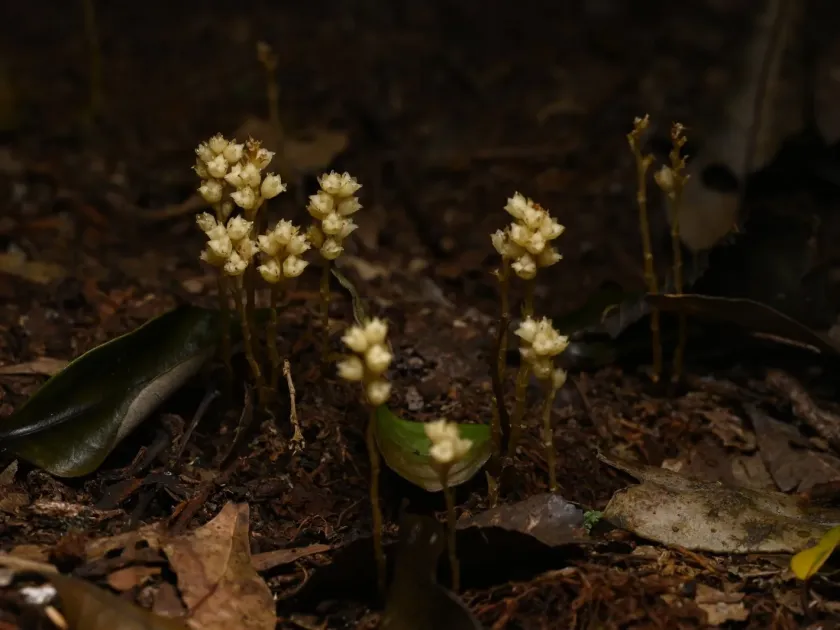
Description
Growing requirements
Petrosavia sakuraii is a unique botanical species belonging to the family Petrosaviaceae. This herbaceous perennial is scientifically recognized for its mycoheterotrophic nature, relying heavily on a complex symbiotic relationship with soil fungi to obtain necessary nutrients.
The native distribution of this species is primarily focused on the temperate and humid regions of East Asia. The plant is typically found in deep forest understories where it occupies specific ecological niches characterized by high atmospheric humidity and constant shade.
Regarding soil requirements, the plant demands substrates that are exceptionally rich in organic matter and forest litter. A well-drained but consistently moist environment is essential, as the species cannot tolerate waterlogging or extended periods of drought that would disrupt the associated fungal network.
Climatic requirements for Petrosavia sakuraii are strictly linked to the stability of the mountain forest environment. It thrives in conditions with mild temperatures and protected areas where direct sunlight is filtered by the forest canopy, preventing overheating of the leaf litter layer.
Currently, there is no commercial agricultural practice for this species, as its cultivation is limited to botanical research and conservation efforts. Given its specific dependency on soil symbionts, standard agronomic techniques for seed germination and large-scale propagation have not been established.