
Petalostylis labicheoides
Petalostylis labicheoides
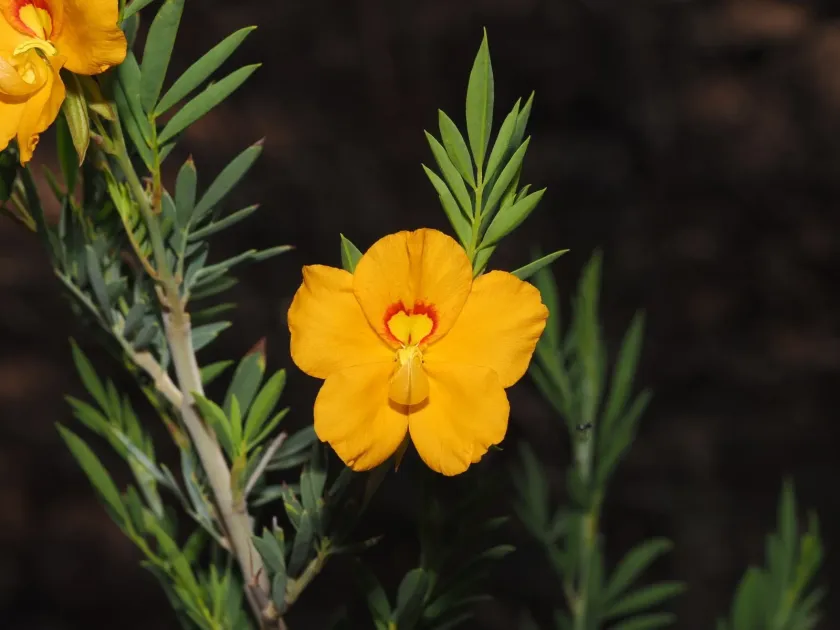
Description
Growing requirements
Petalostylis labicheoides is a perennial shrub belonging to the Fabaceae family, originating from the arid and semi-arid regions of Australia. It is highly valued for its ability to thrive in harsh environments where sunlight is intense and water resources are limited.
The cultivation of this species requires well-draining soil, ideally of a sandy or stony texture. Heavy, water-logged soils are detrimental to the plant, often causing root rot, which is the most significant physiological challenge in agricultural practice.
Climate requirements include high solar exposure throughout the year. The species is adapted to warm environments and performs best in locations where it can receive direct sunlight for the majority of the day, which is essential for healthy flower production.
Botanically, it is characterized by pinnate foliage and striking yellow flowers, which are indicative of its relationship to the broader legume family. Its growth habit is typically bushy, making it suitable for windbreaks or ornamental plantings in arid climates.
In terms of agricultural and landscape usage, Petalostylis labicheoides is primarily utilized for land rehabilitation and xeriscaping. Its deep root system helps in soil stabilization, and it contributes to local biodiversity by providing resources for native pollinators.
Main diseases and pests
The primary threats to Petalostylis labicheoides in a managed setting are fungal diseases related to root and stem health. Proper moisture management and ensuring the soil structure facilitates rapid drainage are the best defenses against these infections.
Insect pests such as aphids and leaf-chewing larvae can cause damage to the foliage, particularly during the active growth phases in spring. Periodic scouting and the application of biological control agents are effective strategies for managing these populations.
Weed management is critical during the establishment phase of the shrub. Young plants are relatively slow to grow and can easily be outcompeted by invasive weeds for water and soil nutrients, necessitating manual or mechanical clearing.
Environmental stress, such as extreme humidity or excessive cold, can weaken the plant's natural defense mechanisms, making it more susceptible to secondary infestations. Maintaining the plant within its preferred climatic niche is essential for vigor.
Pruning is recommended not only for aesthetic shaping but also for improving air circulation within the canopy, which reduces the incidence of mold and other air-borne fungal pathogens. Regular inspection is the cornerstone of effective crop health maintenance.