
Peronema canescens
Peronema canescens
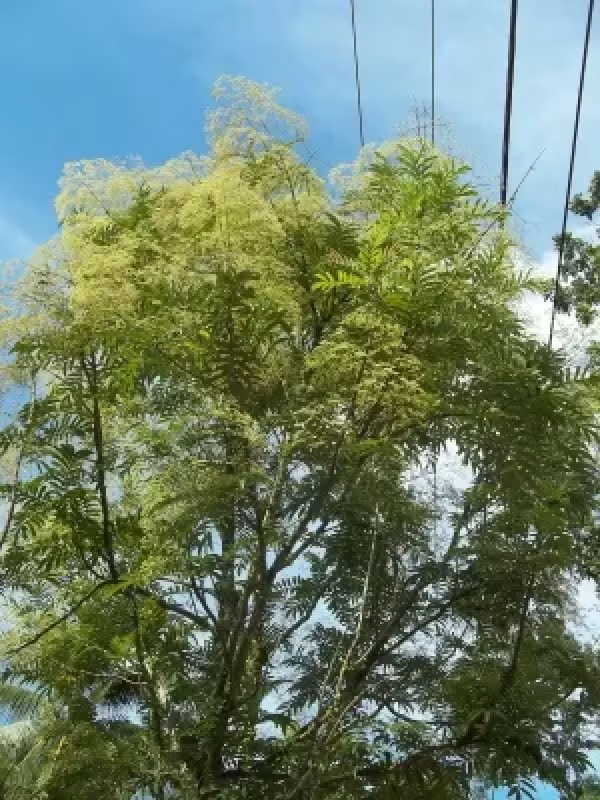
Description
Sowing dates
Propagation of Peronema canescens is typically achieved through seeds, which require specific preparation to ensure high germination rates. Sowing in nurseries is ideally scheduled at the onset of the rainy season to provide consistent moisture for early seedling development.
To improve germination, seeds are often soaked in warm water or subjected to light scarification to soften the seed coat. Seeds are sown in well-drained media, ensuring that the soil structure prevents waterlogging, which is detrimental to young sprouts.
Seedlings are usually pricked out and transplanted when they reach 15–20 centimeters in height. Proper spacing is essential at the transplanting stage to reduce competition for sunlight and nutrients among the young trees in the early years.
For plantation forestry, containerized seedlings are preferred as they demonstrate higher survival rates when transferred to the field. The growth period in the nursery typically ranges from 6 to 12 months before the plants are robust enough for forest restoration.
Planting in the field requires thorough site preparation, including clearing weeds and digging planting holes of adequate size. Applying organic fertilizers during the initial establishment phase significantly improves early growth rates and root development.
Growing requirements
Peronema canescens belongs to the Lamiaceae family and is recognized as a fast-growing tropical tree species. It is naturally found in Southeast Asian countries, such as Indonesia and Malaysia, where it thrives in warm, humid conditions.
The species requires a high-temperature climate and prefers stability without extreme daily fluctuations. Ideal conditions include consistent tropical heat, usually between 24 and 30 degrees Celsius, throughout the growing season.
The tree thrives in deep, well-drained soils with moderate to high acidity. It is highly sensitive to waterlogging, making swampy or poorly drained areas unsuitable for successful cultivation of this wood species.
This species is classified as light-demanding, especially during its younger developmental stages. Sufficient sunlight is crucial for canopy development and biomass accumulation, meaning that dense plantations must be thinned periodically to ensure healthy growth.
Agricultural management involves systematic soil moisture control, particularly during the first three years after planting. While the tree can adapt to less fertile soils, the application of nitrogen and phosphorus-rich fertilizers promotes superior timber quality.
Yield
The economic value of Peronema canescens lies primarily in its high-quality timber, commercially known as sungkai. The wood is prized for its durability, strength, and inherent resistance to termites, making it a preferred material for construction and furniture.
Biomass growth rates depend significantly on site conditions and planting density. In optimal plantation settings, the tree can reach harvestable timber diameter in 20–30 years, a competitive timeline for high-value tropical hardwood species.
The wood of Peronema canescens is extensively used in high-end furniture manufacturing, interior flooring, and outdoor decking. Its aesthetic appeal and structural stability make it an essential resource for the wood processing industry.
In addition to timber, the tree serves vital ecological functions, including soil stabilization and erosion control on hillsides. Agroforestry systems often incorporate this species to provide shade for other crops while improving the overall health of the land.
Economic profitability is tied to the production of straight, defect-free logs. Strategic investment in forest management can maximize the harvest yield, positioning Peronema canescens as a sustainable choice for long-term forestry projects.
Main diseases and pests
The primary threats to Peronema canescens plantations include fungal diseases of the root system caused by poor drainage. High moisture levels often lead to root rot, which results in yellowing leaves and increased mortality among younger trees.
Insect pests represent another significant threat, particularly those that bore into the bark and cambium layers. Larvae of various beetles can create galleries beneath the bark, disrupting sap flow and weakening the overall vitality of the tree.
Effective management includes regular monitoring and phytosanitary inspections to detect pest outbreaks early. Implementing biological control methods is encouraged to mitigate damage without negatively impacting the surrounding forest ecosystem.
Competition from aggressive invasive weeds can significantly hinder the growth of young saplings by blocking light and absorbing nutrients. Regular weeding during the first few years is critical for ensuring the survival of the plantation.
Disease prevention relies on maintaining good site hygiene and ensuring optimal soil conditions. Prompt removal of infected individuals helps prevent the spread of pathogens throughout the forest, preserving the long-term productivity of the timber stand.