
Peristrophe hyssopifolia
Peristrophe hyssopifolia
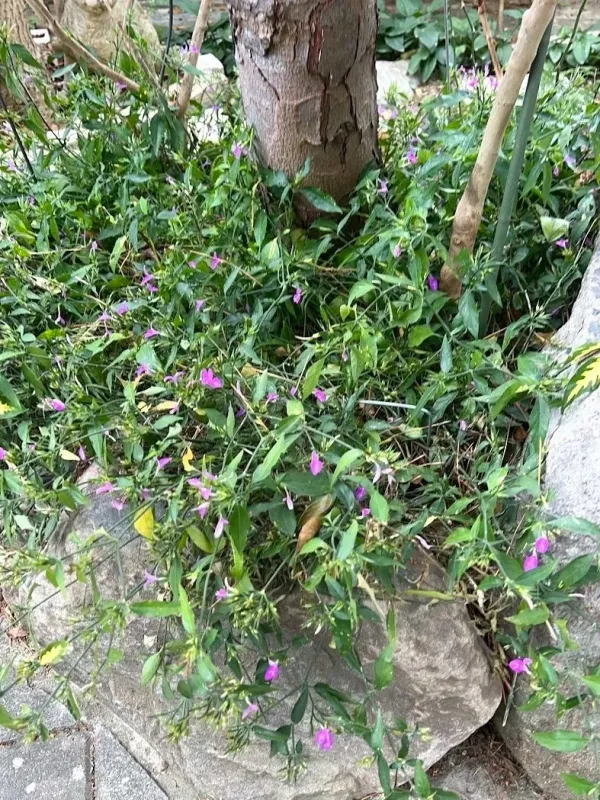
Description
Sowing dates
The propagation of Peristrophe hyssopifolia is most efficiently achieved through stem cuttings. This method ensures uniform growth and allows for the development of a healthy root system in a sterile propagation medium during the warmer months.
Seed sowing requires a lightweight and well-draining substrate. Maintaining a consistent temperature of 22–24 degrees Celsius is crucial for high germination rates, alongside adequate ambient humidity to prevent the seeds from drying out.
Young seedlings should be pricked out into individual pots once they reach the two-leaf stage. Careful handling is necessary, as the stems of this species can be somewhat fragile during the early stages of establishment.
Proper spacing is vital when planting in trays. Providing adequate room for air circulation prevents the development of damping-off diseases, which can decimate young crops in greenhouse conditions.
For industrial production, using hormone-based rooting gels on cuttings can significantly accelerate the cycle and ensure a higher percentage of successful establishment in nursery containers.
Growing requirements
Peristrophe hyssopifolia is a member of the Acanthaceae family, native to tropical Asian climates. As such, it thrives in warm, humid conditions with bright, indirect sunlight, as direct exposure can scorch its delicate foliage.
The ideal soil should be rich in organic matter and possess excellent drainage characteristics. A mix of peat moss, leaf compost, and perlite provides the necessary structure to keep the root system oxygenated while retaining sufficient moisture.
Climatic requirements involve maintaining a stable temperature range between 20 and 25 degrees Celsius. It is imperative to keep the environment free from cold drafts, which can cause significant stress and leaf drop.
Watering frequency should be adjusted based on the growth cycle. The substrate should be kept consistently moist but never waterlogged. Regular misting or the use of automated humidifiers helps maintain the high humidity levels the plant requires.
Fertilization should be applied moderately during the growing season using a balanced, water-soluble fertilizer. Excessive nitrogen should be avoided to prevent leggy, weak growth that reduces the plant's decorative appeal.
Main diseases and pests
Spider mites are the most common pest affecting Peristrophe hyssopifolia, particularly in environments with low air humidity. These pests feed on sap, causing stippling and eventual yellowing of the leaves.
Mealybugs can also pose a threat, hiding in leaf axils and stems. Regular monitoring is essential to catch infestations early before they spread throughout the entire crop population in the greenhouse.
Fungal issues such as powdery mildew may develop if air circulation is poor or if moisture levels on the leaf surface remain high for extended periods. Pruning for better airflow is a key cultural control method.
Sanitation is paramount in controlling threats. Cleaning benches and tools regularly prevents the spread of pathogens, ensuring the health and vigor of the entire stock throughout the production season.
Integrated Pest Management (IPM) strategies, including the introduction of predatory mites, provide an effective and environmentally friendly way to control insect pests without relying solely on chemical treatments.