
Peristrophe bicalyculata
Peristrophe bicalyculata
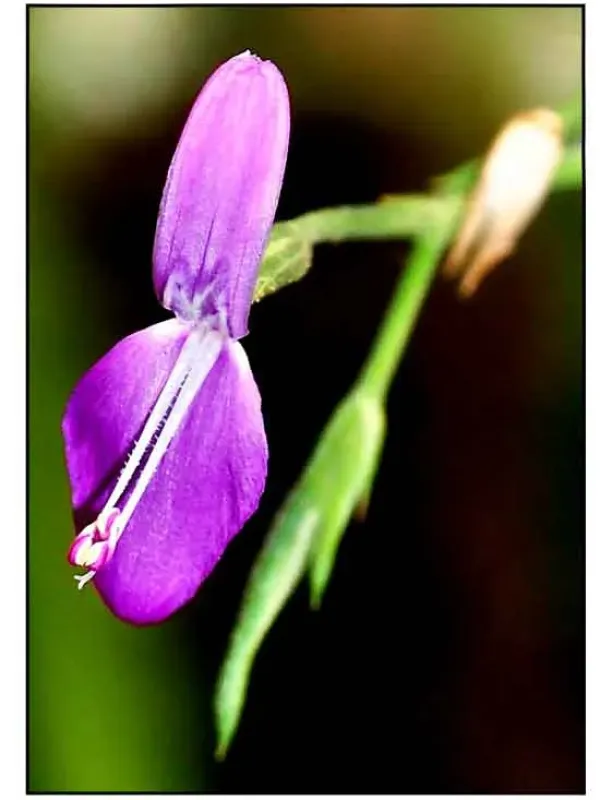
Description
Sowing dates
Peristrophe bicalyculata, a member of the Acanthaceae family, is an annual herb native to the tropical regions of Asia. It is highly regarded for its resilience and potential applications in herbal medicine.
Sowing should take place in the spring when soil temperatures consistently reach at least 20 degrees Celsius. Pre-soaking seeds can significantly enhance germination rates, providing a uniform stand of plants.
Choose a location with loose, fertile soil that offers excellent drainage. The plant thrives when provided with enough space to grow, as overcrowding leads to poor air circulation and promotes disease development.
Seeds are typically sown at a depth of 1–2 centimeters. Once sown, maintain consistent soil moisture levels to ensure the successful establishment of young seedlings during the critical germination phase.
Weed control in the early growth stages is essential. Young plants struggle to compete with aggressive grasses, so manual weeding or the use of organic mulches is recommended for optimal development.
Growing requirements
This crop requires full sun exposure for the majority of the day to reach its full vegetative potential. While it can tolerate partial shade, productivity is significantly reduced under lower light conditions.
The soil should be well-drained and slightly acidic to neutral. Waterlogging is the most common cause of crop failure, so ensuring the soil structure allows for rapid water infiltration is critical.
Temperature requirements are stringent; the plant flourishes in warm, humid climates between 22 and 28 degrees Celsius. Protection from cold drafts and sudden drops in temperature is necessary to maintain vigor.
Regular irrigation is required, particularly during dry spells. In arid environments, supplemental misting or irrigation helps maintain the high atmospheric humidity preferred by the species.
Nutrient management involves applying balanced organic fertilizers early in the season to encourage rapid stem growth, followed by potassium-rich formulations to support the flowering stage.
Main diseases and pests
The primary threats include leaf-eating insects which can devastate the foliage. Regular monitoring of the plant canopy is necessary to catch infestations before they reach economic damage thresholds.
Fungal pathogens such as root rot represent a significant risk, especially in poorly drained soils. Improving soil aeration is the most effective preventative measure against these diseases.
Aphids and spider mites are common pests that thrive in greenhouse environments or in situations where plant stress is present. Integrated pest management (IPM) practices should be employed.
Crop rotation is vital. Planting in the same field for consecutive years increases the risk of soil-borne pathogens, so a rotation interval of at least three years is suggested for this species.
In cases of infestation, biological control agents such as predatory mites or insecticidal soaps are preferred to minimize residues, ensuring the safety of the harvested medicinal raw material.
Harvesting
Harvesting is best performed at the onset of the flowering phase, as this is when the concentration of medicinal compounds within the leaves and stems is at its absolute peak.
Stems should be cut cleanly, approximately 15 centimeters above the ground. This method allows for potential regrowth or easier harvesting without compromising the plant's structural integrity.
Drying the harvested material is a delicate process. It should be conducted in a dark, well-ventilated room to preserve the natural phytochemicals and prevent the degradation of colors and aromas.
Stored material must be protected from moisture and direct sunlight. Airtight containers or breathable, opaque bags are suitable for maintaining quality during long-term storage.
The final product is widely used in traditional medicine for its anti-inflammatory and healing properties, making it a valuable crop for producers catering to the herbal supplements market.