
Pentodon pentandrus
Pentodon pentandrus
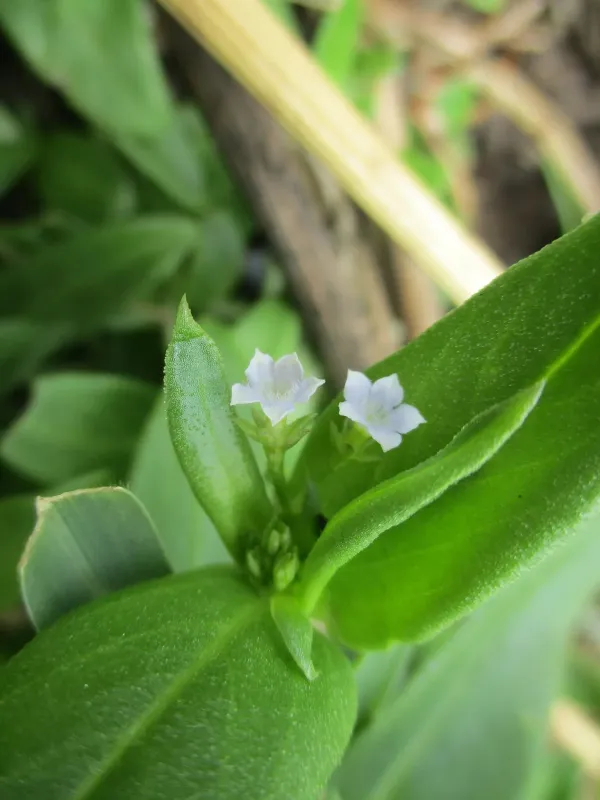
Description
Sowing dates
Pentodon pentandrus is a member of the Rubiaceae family, typically found in tropical and subtropical wetland habitats where water availability is abundant.
The sowing process is usually initiated during the spring season when soil temperatures reach the levels necessary for consistent germination.
Given the small size of the seeds, they require shallow sowing techniques to ensure proper light exposure and contact with the soil moisture.
Planting depth should be carefully controlled at approximately 1–2 centimeters to avoid deep burial that could prevent emergence.
Adequate seedbed preparation is essential to create a uniform environment that supports the initial developmental stages of the seedlings.
Growing requirements
The crop thrives in moist, organic-rich alluvial soils and requires a consistent water supply throughout its growing cycle to reach maximum productivity.
High temperatures between 22 and 28 degrees Celsius are ideal for promoting robust vegetative growth and metabolic activity in the plant.
Full sun exposure is preferred, although the plant shows moderate tolerance to light shade during its early establishment phase.
Nutrient management focuses on nitrogen fertilization to support leafy growth, as the plant responds vigorously to well-balanced soil fertility.
Maintaining a neutral to slightly acidic soil reaction is recommended to ensure the optimal availability of macro and micronutrients for the plant.
Main diseases and pests
Fungal pathogens associated with high moisture conditions, particularly root rot, represent the primary threat to young and dense plant stands.
Insect pests such as aphids and leaf-eating beetles can cause significant foliage damage if left unchecked during the peak growing season.
Prevention methods include maintaining adequate space between plants to ensure proper air circulation and reduce humidity within the canopy.
In case of pest outbreaks, integrated pest management strategies should be applied to protect the plant health while ensuring environmental safety.
Regular scouting of the fields is the most effective approach to identify and address potential disease or pest problems before they escalate.
Harvesting
Harvesting of Pentodon pentandrus is primarily conducted when the plant reaches its peak biomass, usually before the flowering phase begins.
Mechanical harvesting equipment is adjusted to a height that avoids damaging the basal parts of the plant to encourage potential regrowth.
The harvested material is quickly dried or processed to preserve the nutritional value, which is essential if it is intended for forage.
Timing the harvest is critical; delaying the process can lead to a decrease in protein content and an increase in fibrous materials.
Post-harvest handling must ensure proper storage conditions to prevent molding, especially given the plant's inherent preference for moist environments.