
Pentas lanceolata
Pentas lanceolata (Forssk.) K. Schum.
Description
Sowing dates
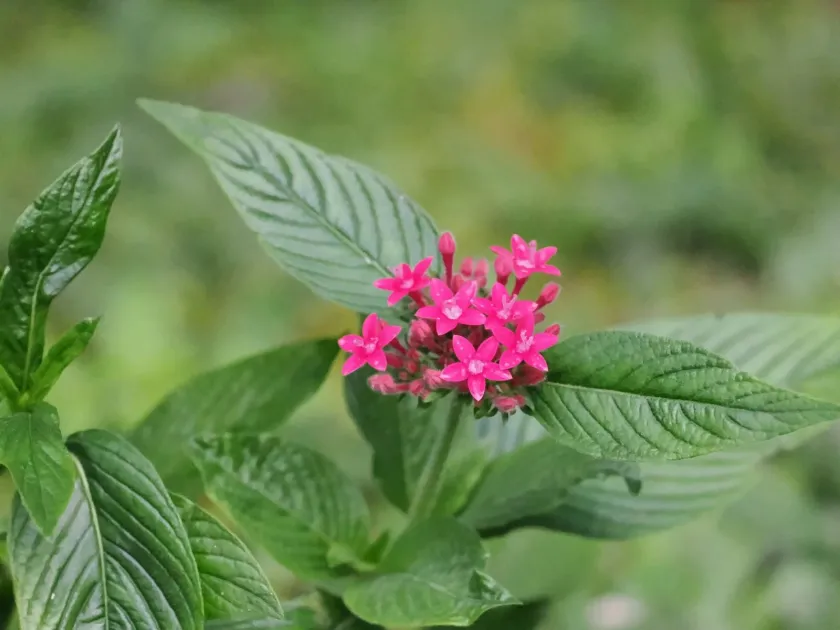
Pentas lanceolata, a member of the Rubiaceae family, is widely recognized as a popular ornamental plant native to East Africa and Arabia.
The cultivation cycle begins with sowing seeds in late winter, typically 10 to 12 weeks before the expected last frost date for outdoor planting.
Seeds require light for germination and should be sown on the surface of a fine, moist potting medium without covering them with soil.
Maintaining a consistent temperature between +22°C and +24°C is critical for uniform germination and seedling establishment.
Once seedlings are large enough to handle, they are transplanted into individual containers, ensuring they receive adequate light to prevent legginess.
Growing requirements
As a tropical species, the Egyptian starcluster thrives in high-light conditions, requiring at least six hours of direct sunlight daily for optimal flowering.
The plant prefers well-drained, fertile soil with a slightly acidic to neutral pH, which supports vigorous vegetative growth.
Temperature management is crucial; the plant performs best in warm climates and suffers significant damage when temperatures drop below +10°C.
Regular moisture is necessary to keep the soil consistently damp but never waterlogged, as the root system is sensitive to hypoxia.
Periodic fertilization with a high-phosphorus liquid fertilizer encourages continuous blooming throughout the warmer months of the year.
Main diseases and pests
Spider mites are the most significant pest, particularly in controlled environments with low humidity, causing leaf stippling and yellowing.
Aphids often target young, tender growth at the terminal ends of the branches, potentially transmitting viral diseases to the host plant.
Mealybugs can cluster in leaf axils, extracting plant fluids and promoting the growth of sooty mold on the foliage due to honeydew secretion.
Root rot, primarily caused by Pythium or Phytophthora species, occurs when plants are kept in excessively moist or poorly aerated soils.
Effective pest and disease management involves integrating biological controls with consistent monitoring of environmental humidity and airflow.