
Pentapragma begoniifolia
Pentapragma begoniifolia
Description
Growing requirements
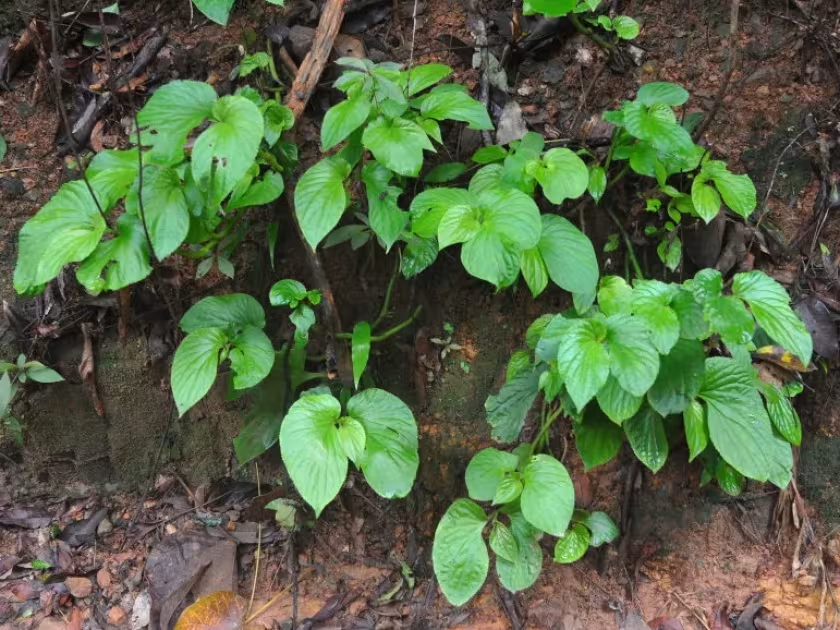
Pentapragma begoniifolia is a perennial herbaceous plant belonging to the Pentaphragmataceae family. Naturally, it is found in the dense, shaded environments of tropical rainforests throughout Southeast Asia.
The botanical structure is defined by its distinct, asymmetrical leaves that bear a striking resemblance to begonias, justifying the specific epithet. The inflorescence consists of dense, coiled cymes that provide a unique aesthetic to the plant's habit.
Optimal growth requires a stable, warm climate, typically ranging between 22 and 26 degrees Celsius. High humidity levels are essential, as the plant suffers quickly in arid environments due to its delicate, moisture-dependent foliage.
Soil requirements focus on loose, organic-rich substrates that mimic forest floor conditions. Excellent drainage is non-negotiable, as the plant cannot tolerate waterlogged roots, which leads to rapid decay of the herbaceous stems.
Economically, the species is primarily held in botanical collections and specialized conservatories. It is not currently considered a crop for commercial mass-market production due to its specialized environmental needs.
Main diseases and pests
Fungal infections are the most common threats to Pentapragma begoniifolia, typically triggered by improper ventilation and excessive soil moisture. Root and collar rot are particularly devastating if left unchecked.
Pests such as spider mites and mealybugs are frequent attackers. They thrive in the protected environments where the plant is usually kept, feeding on the soft leaf tissues and weakening the plant's structural integrity.
Preventive maintenance involves regular inspection of the leaf undersides and ensuring that air circulation is maintained at all times. Avoid overhead watering, as water droplets trapped on leaves can host fungal spores.
Integrated pest management strategies are recommended, focusing on biological controls whenever possible to avoid damaging the sensitive foliage with harsh chemicals. Early detection is crucial for successful treatment.
Maintaining a balanced environment is the primary defense against pathogens. If a plant shows signs of distress, immediately isolate it to prevent the spread of mites or airborne fungal pathogens to other specimens.