
Pentaphragma
Pentaphragma
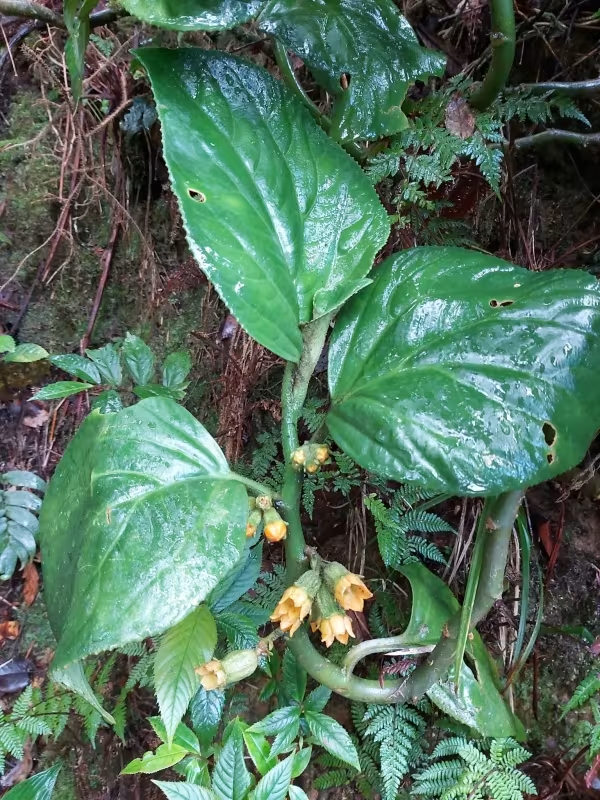
Description
Growing requirements
Pentaphragma is a fascinating genus of herbaceous plants that comprises the entire family Pentaphragmataceae. Native to the dense, humid rainforests of Southeast Asia, these plants have evolved to thrive in the low-light, high-moisture environment of the forest floor.
Cultivation of this genus requires strict adherence to tropical environmental standards. The plants demand constant high humidity and protection from direct sunlight, which can easily scorch their delicate, succulent-like leaves and stems.
The substrate must be light, airy, and rich in organic matter. A well-draining soil mix is crucial, as the root systems are highly sensitive to waterlogging, which rapidly leads to decay and eventual plant death.
Temperature stability is non-negotiable for the survival of Pentaphragma. Ideally, temperatures should remain consistently between 20°C and 27°C. Exposure to sudden temperature drops or dry drafts will cause immediate physiological stress.
While not a traditional agricultural crop, the genus holds significant interest for botanical gardens and collectors of rare tropical flora. Its unique floral structure and leaf morphology make it a prized specimen for specialized greenhouse collections.
Main diseases and pests
The primary threat to the health of Pentaphragma is the infection by soil-borne fungi. Such infections are almost always a result of poor drainage or over-watering, which creates a septic environment around the roots.
Pests such as spider mites and mealybugs frequently target the plant in stagnant greenhouse conditions. These pests thrive in the same warm, humid environments that the plants prefer, necessitating regular monitoring.
Lack of adequate ventilation can lead to Botrytis and other leaf spot diseases. Ensuring gentle, constant airflow is a vital part of the husbandry process to keep foliage dry and resistant to fungal pathogens.
Nutrient toxicity, often caused by high salt content in synthetic fertilizers, can result in severe root tip burn. It is recommended to use diluted organic fertilizers to support the plant's growth without shocking the sensitive root system.
Physical damage to the stems and leaves is also a significant threat, as the plant possesses brittle tissues. Care must be taken during maintenance or propagation to avoid bruising, which serves as an entry point for opportunistic pathogens.