
Green alkanet
Pentaglottis sempervirens
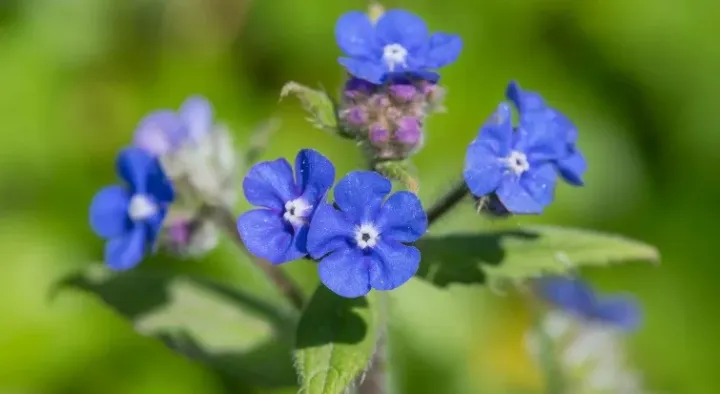
Description
Sowing dates
Green alkanet (Pentaglottis sempervirens) is a robust perennial herb belonging to the Boraginaceae family. Propagation is primarily achieved through direct seeding in late autumn or early spring, as the seeds require a period of stratification to break dormancy and ensure uniform germination.
For spring sowing, seeds should be placed in a prepared seedbed during March or April. The ideal sowing depth is approximately 1 to 2 centimeters. Maintaining consistent soil moisture during the germination phase is critical for successful establishment.
Seedlings can also be started in protected environments for earlier transplanting into the field. Once the risk of frost has passed, plants should be spaced 40 to 50 centimeters apart to allow for proper airflow and root system development.
In addition to sexual reproduction, vegetative division of mature rootstocks can be performed in the autumn or early spring. This method is highly effective for maintaining consistent crop density and ensures the rapid growth of plants in the target area.
The plant is known for its ability to self-seed vigorously. In agricultural settings, it is important to manage the dispersal of seeds to prevent the crop from becoming invasive in surrounding fields or non-targeted areas.
Growing requirements
Green alkanet thrives in semi-shaded environments, offering protection from harsh midday sun, though it can adapt to open sunny positions if soil moisture is strictly maintained. The crop is sensitive to prolonged drought conditions and requires a reliable water source.
The soil should be fertile, loam-based, and rich in organic matter. While the plant is adaptable, it performs best in neutral to slightly alkaline soils. Proper drainage is essential to prevent waterlogging, especially during the wetter winter months.
This species is highly cold-hardy, capable of surviving harsh winters in temperate climates. In regions with significant frost and lack of snow cover, mulching the base with organic materials helps protect the crown from freezing injury.
Nutrient management involves applying balanced fertilizers at the start of the growing season. Nitrogen is beneficial for the development of leafy biomass, while potassium supports overall stress tolerance and winter hardiness of the crop.
Regular cultivation and weeding are essential during the first two years of the crop's lifecycle. Maintaining a weed-free environment allows the plants to establish a strong root system, eventually enabling them to suppress most competitive weeds themselves.
Main diseases and pests
The most frequent disease affecting green alkanet is powdery mildew, which thrives in conditions of high humidity and poor air circulation. Proper plant spacing and avoiding overhead irrigation are primary methods for minimizing this risk.
Pests such as aphids and spider mites may infest young foliage during periods of low humidity. Biological control methods, such as introducing beneficial predatory insects, are effective in managing pest populations without chemical interference.
Slugs and snails can cause significant mechanical damage to the leaves, particularly during damp spring weather. Implementing mechanical barriers or using eco-friendly repellent methods can effectively protect the plants from these mollusks.
Root rot is a potential concern in poorly drained soils or areas with excessive water accumulation. Improving site drainage and adjusting irrigation schedules are the most effective management strategies for preventing this issue.
Although viral infections are rare, they can cause symptoms such as chlorotic spotting or leaf deformation. Affected plants should be removed from the field and destroyed to prevent the spread of the virus to healthy parts of the crop.
Harvesting
The primary agricultural use of green alkanet is as a potent nectar plant. The flowering season, which extends from late spring through mid-summer, makes it an ideal crop for supporting local pollinator populations in integrated farming systems.
When harvesting leaves for medicinal or industrial purposes, care must be taken to wear protective gloves. The plant is covered in coarse, stiff hairs that can cause significant skin irritation to those handling it without protection.
Seed collection should take place in late summer as the pods turn brown and begin to dry. It is critical to harvest these before the pods naturally split and drop their contents, ensuring the maximum recovery of seeds for subsequent seasons.
As a green manure crop, green alkanet should be mowed just as it begins to bud, before seeds are formed. Incorporating the biomass back into the soil adds valuable nitrogen and organic matter, significantly improving soil structure.
At the end of the growth cycle in late autumn, the top growth should be cut back to the soil surface. This pruning practice promotes rejuvenation of the plant and prevents the accumulation of fungal pathogens on decaying foliage over winter.