
Pennilabium angraecum
Pennilabium angraecum
Description
Growing requirements
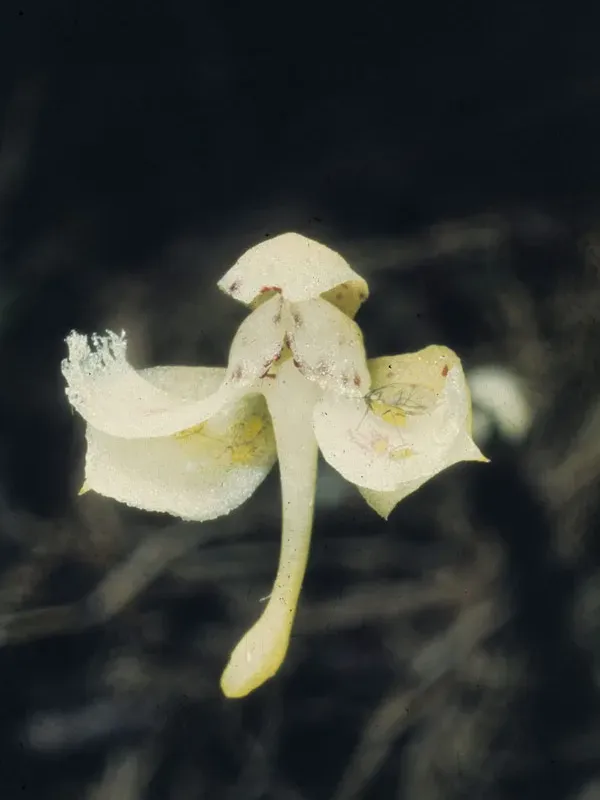
Pennilabium angraecum is a miniature epiphytic orchid belonging to the Orchidaceae family. Native to the tropical forests of Southeast Asia, this species thrives in environments characterized by consistently high humidity and warm temperatures throughout the year.
To successfully cultivate this orchid, growers must simulate its natural habitat as closely as possible. It requires bright, indirect light, as direct sun exposure can easily damage the delicate foliage, which is particularly sensitive in greenhouse conditions.
The ideal temperature range is moderately warm, typically between 22–26°C during the day, with a slight drop at night. Good airflow is essential to keep the root system healthy and to prevent the development of fungal pathogens, which thrive in stagnant, humid air.
As an epiphyte, the plant should be grown on mounts such as pine bark or fern roots rather than in standard soil. A high relative humidity level, ideally around 70–80%, must be maintained through specialized misting systems or frequent manual watering.
Irrigation should be performed using soft, room-temperature water. During the active growing season, diluted orchid fertilizers should be applied sparingly to ensure the plant receives necessary nutrients without causing salt stress to the roots.
Yield
The cultivation of Pennilabium angraecum is primarily restricted to ornamental horticulture and specialized botanical collections. It is not considered a traditional agricultural crop for industrial use, and therefore, standard yield metrics do not apply to this species.
The primary value of this culture lies in its unique aesthetic qualities and botanical rarity. Success in cultivation is measured by the plant's vigor, its ability to acclimate to greenhouse conditions, and the frequency of blooming cycles throughout the year.
Propagation is generally achieved through vegetative methods or advanced micro-propagation techniques in a laboratory setting. Cultivating healthy, mature specimens requires significant expertise and high-precision environmental control.
Commercial interest is focused on supplying professional growers, botanical gardens, and serious enthusiasts with high-quality specimens. It remains a niche market where precision and botanical knowledge determine the economic viability of the project.
The potential for utilization is limited by the biological sensitivity of the plant. Maintaining the high standards required for this orchid allows growers to preserve this rare species while satisfying the demand of the specialized horticultural market.
Main diseases and pests
The most significant threats to the health of Pennilabium angraecum are various forms of rot, typically resulting from water accumulation in leaf axils or the use of improper, moisture-retaining substrates. Bacterial infections can spread rapidly in cool, wet conditions.
Pests such as spider mites and scale insects are common in greenhouse environments and can cause severe damage if left unmanaged. Regular monitoring and physical removal of pests are essential steps in maintaining the integrity of the orchid collection.
Mealybugs are another potential threat, often found feeding on young, tender growth. The use of soft, organic-based insecticides is recommended to manage these infestations without harming the plant's delicate tissues or the local ecosystem.
Disease prevention relies heavily on maintaining sterile practices when pruning or repotting. Tools should be disinfected between every usage to avoid the accidental transfer of pathogens from one plant to another within the greenhouse.
Maintaining optimal water quality is also a critical preventative measure, as mineral buildup can degrade the root system over time. A robust, well-nourished plant is naturally more resilient to environmental stress and secondary infections.