
Peltaea speciosa
Peltaea speciosa
Description
Growing requirements
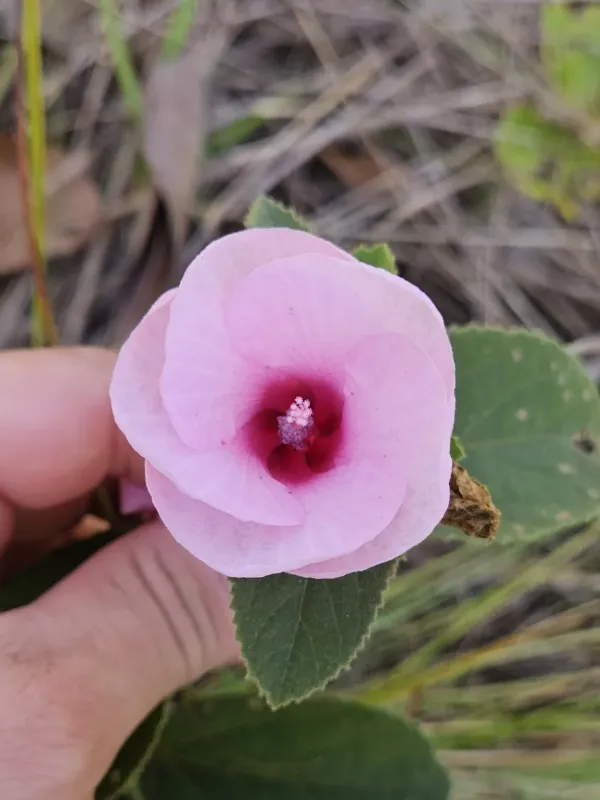
Peltaea speciosa is a distinctive species within the Malvaceae family, showcasing the classic features of this large botanical group. As a herbaceous perennial, it is characterized by its complex floral structure and typically vibrant vegetative growth patterns that thrive in tropical environments.
Originating from the tropical regions of South America, particularly Brazil, this plant is naturally adapted to warm, humid climates. It typically occupies ecological niches in forest margins and open savannah-like areas where consistent moisture and high light availability are standard throughout the year.
Cultivation requirements for Peltaea speciosa emphasize the need for temperatures consistently above 20 degrees Celsius. In non-tropical regions, it is almost exclusively grown as an ornamental greenhouse plant or in climate-controlled conservatories to mimic its native habitat conditions.
The soil profile should be nutrient-rich, well-draining, and slightly acidic. Because the plant is susceptible to root diseases if kept in waterlogged conditions, incorporating organic matter with inorganic drainage agents like perlite or vermiculite is highly recommended for optimal root health.
Regarding its primary use, Peltaea speciosa is valued primarily for its aesthetic appeal in botanical collections and horticultural exhibitions. Its botanical interest lies in the unique formation of its staminal column, a key identification feature for those studying the taxonomy of the Malvaceae family.
Main diseases and pests
Maintaining the health of Peltaea speciosa requires vigilance against common greenhouse pests. Spider mites are the most significant threat, often thriving in the dry, warm environments of indoor growing spaces, where they cause severe leaf stippling and reduction in overall plant vigor.
Mealybugs and aphids also pose risks, particularly to young, tender growth at the apical meristems. These pests excrete honeydew, which can lead to the development of sooty mold, further complicating the plant's ability to photosynthesize effectively and maintain its decorative value.
Fungal pathogens represent another challenge, particularly root rot species like Pythium or Phytophthora. These are almost exclusively associated with improper irrigation practices where the soil remains saturated for prolonged periods, leading to hypoxia in the root zone.
Leaf spot diseases, caused by various fungal or bacterial agents, may manifest if humidity levels are excessively high without adequate air circulation. This requires growers to invest in proper ventilation systems to prevent the accumulation of stagnant, humid air around the foliage.
A comprehensive integrated pest management (IPM) program is essential for the successful commercial or hobbyist cultivation of this species. This includes biological controls, regular monitoring, and the strategic application of fungicides or insecticides only when economic thresholds are met.