
Pelliciera rhizophorae
Pelliciera rhizophorae
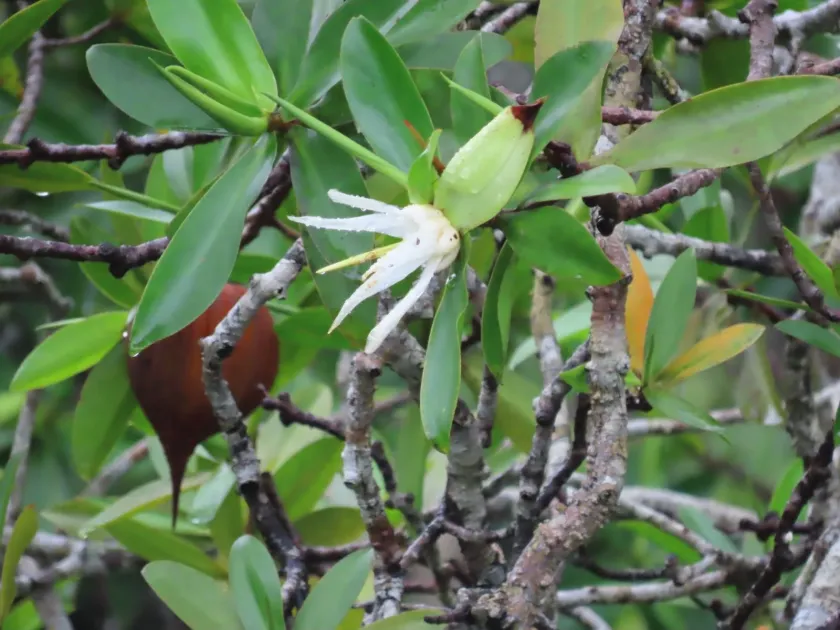
Description
Growing requirements
Pelliciera rhizophorae is a remarkable woody plant belonging to the Tetrameristaceae family. Native to the coastal regions of Central and South America, it serves as a critical structural component of tropical mangrove ecosystems, providing stability to fragile shorelines.
The culture thrives in intertidal zones, requiring specific hydrological conditions to survive. It is well-adapted to saline or brackish water environments, where it grows in nutrient-rich but oxygen-poor mudflats characteristic of tropical coastlines.
Climate requirements for this species include consistently high temperatures and significant air humidity throughout the year. The presence of regular tidal flushing is essential, as it delivers necessary nutrients and prevents the accumulation of toxic compounds within the root zone.
Botanically, the species is recognized for its specialized root system and its ability to sequester and exclude salt, which allows it to flourish where other species would fail. The tree structure is robust, designed to withstand the hydrodynamics of coastal tides.
Agrotechnical practices for this plant involve meticulous site selection within tidal zones. Propagation is typically achieved through the collection and planting of propagules directly into the silt. Careful monitoring of salinity and tidal flow is vital during the early stages of establishment.
Main diseases and pests
Primary threats to Pelliciera rhizophorae populations include coastal deforestation and the degradation of water quality due to industrial or agricultural runoff. Such environmental stressors often lead to the collapse of local colonies and a decrease in biological diversity.
Pests and pathogens are naturally managed by the specific chemical environment of the mangroves; however, stress induced by environmental change can make the trees vulnerable to insect infestations. Protection strategies focus on maintaining the integrity of the coastal hydrological cycle to ensure plant resilience.