
Pellacalyx axillaris
Pellacalyx axillaris
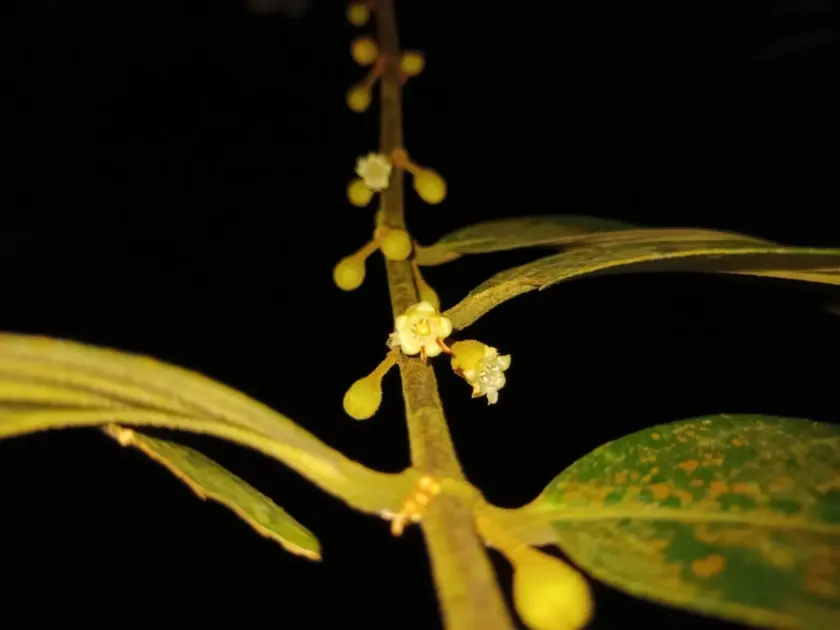
Description
Growing requirements
Pellacalyx axillaris belongs to the Rhizophoraceae family and is native to the tropical rainforest ecosystems of Southeast Asia. It is a long-lived tree species that plays a significant role in local biodiversity.
The plant requires a tropical climate with consistent temperatures and high precipitation levels. It thrives in humid conditions and cannot tolerate prolonged drought, which can lead to metabolic stress and growth inhibition.
Soil preferences include well-drained, nutrient-rich soils with a high organic matter content. While it can tolerate various soil textures, the presence of a deep, aerated root zone is essential for the healthy development of its wood structure.
Botanical morphology is marked by its axillary inflorescences and opposite leaves, which allow the plant to efficiently capture light under canopy gaps. The wood is traditionally used for construction due to its moderate durability.
Cultivation management involves ensuring that the plant is grown in areas with adequate shading during its juvenile stage, gradually acclimating the trees to more intense sunlight as they mature.
Main diseases and pests
Root rot, induced by waterlogged soil conditions, represents the most significant threat to the health of Pellacalyx axillaris. Proper drainage infrastructure is vital to prevent fungal proliferation in the soil.
Wood-boring beetles constitute a major pest threat, as they tunnel through the bark and sapwood, compromising the structural integrity and commercial value of the timber.
Leaf-spotting fungi can infect foliage during periods of extreme humidity and stagnant air. Maintaining proper spacing between trees is recommended to facilitate airflow and reduce disease incidence.
Various insect pests, including defoliating caterpillars, can cause significant damage to young shoots, potentially stunting the development of the tree in early years.
Integrated pest management strategies focusing on monitoring and biological control are highly recommended to avoid excessive reliance on chemical pesticides in sensitive forest environments.