
Peliosanthes teta
Peliosanthes teta
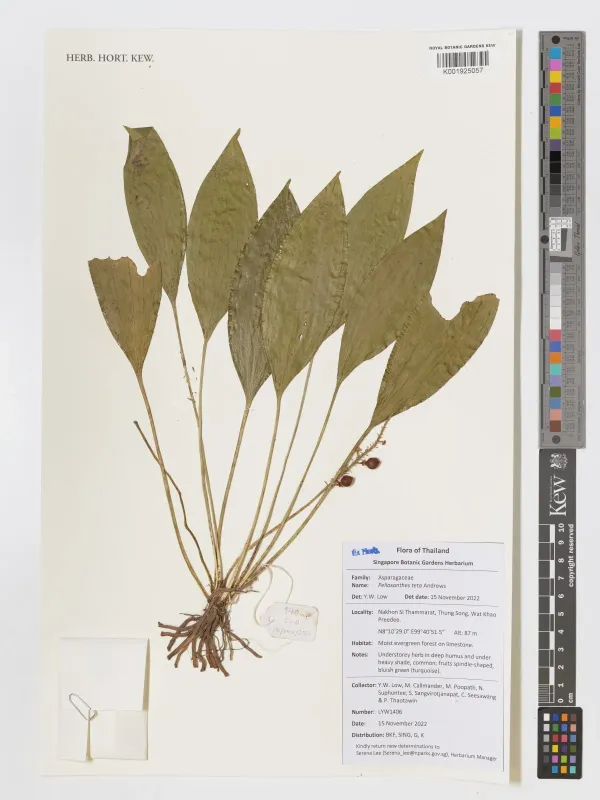
Description
Growing requirements
Peliosanthes teta is an ornamental herbaceous perennial belonging to the Asparagaceae family. Native to the forest understories of Southeast Asia, it is highly valued for its lush foliage and unique flowering spikes.
The plant thrives in partial shade conditions, mimicking the filtered light of its natural rainforest habitat. Exposure to direct afternoon sunlight should be avoided to prevent leaf scorch and damage to the plant tissue.
Optimal growth requires a well-draining, peat-based potting medium that retains moisture without becoming waterlogged. A mixture containing organic humus is ideal for maintaining the necessary nutrient levels.
Temperature management is critical; Peliosanthes teta prefers stable conditions between 18 and 25 degrees Celsius. It is intolerant of frost and extreme temperature fluctuations, which can cause significant stress to the root system.
Watering schedules should be adjusted based on the season, ensuring that the soil remains consistently moist but not saturated. Using room-temperature, filtered water is recommended to avoid chemical buildup in the substrate.
Main diseases and pests
The most significant threat to Peliosanthes teta is root rot, typically caused by overwatering or poor drainage. This condition can quickly lead to the decline of the plant if not addressed promptly.
Common indoor pests such as spider mites and scale insects may infest the foliage, especially in environments with low humidity. Regular leaf cleaning is an effective preventative measure.
Fungal infections can develop if humidity is too high without adequate air circulation. Improving ventilation around the foliage helps mitigate the risk of leaf spot diseases.
To protect the plant, growers should employ Integrated Pest Management (IPM) practices, including early detection and the use of targeted botanical or chemical treatments only when necessary.
Maintaining a clean growing environment and monitoring for yellowing leaves will help identify potential issues, such as nutrient deficiencies or pest pressure, before they become severe.