
Peliosanthes griffithii
Peliosanthes griffithii
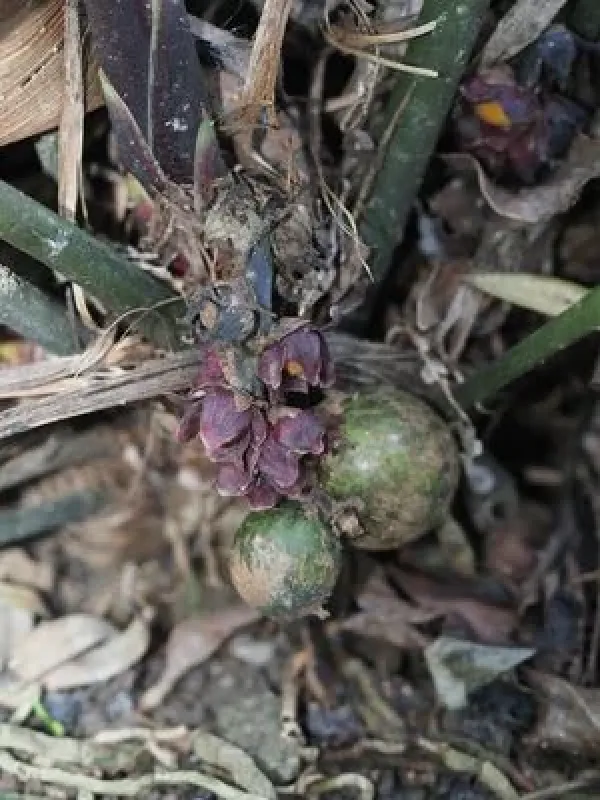
Description
Growing requirements
Peliosanthes griffithii is a distinctive perennial herb belonging to the family Asparagaceae. Native to the dense, shaded forest floors of Southeast Asia, this species has adapted to environments with consistently high humidity and diffused light.
Botanically, the plant is characterized by its basal rosette of lanceolate, deep green leaves and unique, often fragrant flower spikes that emerge near the soil surface. Its slow growth rate makes it a prized specimen for specialized plant collectors.
In terms of cultivation, the plant requires a well-draining, humus-rich substrate that mimics the leaf mold found in its natural habitat. It is essential to ensure the soil remains moist but never waterlogged to prevent root system distress.
Temperature requirements are fairly strict, as the plant thrives best in stable environments between 18 and 25 degrees Celsius. It should be shielded from cold drafts and extreme heat fluctuations, which can stress the plant and inhibit leaf development.
Its primary use is ornamental, serving as an ideal subject for terrariums, indoor conservatories, and humid greenhouse environments where its unique architectural form can be appreciated in low-light conditions.
Main diseases and pests
The most significant threat to Peliosanthes griffithii is root rot, primarily caused by overwatering or inadequate soil aeration. This condition is often fatal if not caught in the early stages of infection.
Pests such as spider mites are common if the ambient humidity levels are allowed to drop too low for extended periods. These mites can quickly devastate the foliage if left unchecked by misting or cleaning.
Scale insects may occasionally infest the base of the petioles, drawing sap and weakening the plant structure. Regular inspection of the crown and undersides of leaves is necessary for early detection of these pests.
Leaf spot pathogens can occur if water remains on the leaves in stagnant air conditions. Proper ventilation is key to ensuring the foliage remains dry enough to prevent fungal colonization and rot.
Integrated pest management, including the use of neem oil or mild horticultural soaps, is recommended over heavy chemical applications. Maintaining strong plant hygiene is the most effective way to prevent health decline.