
Syrian rue
Peganum harmala
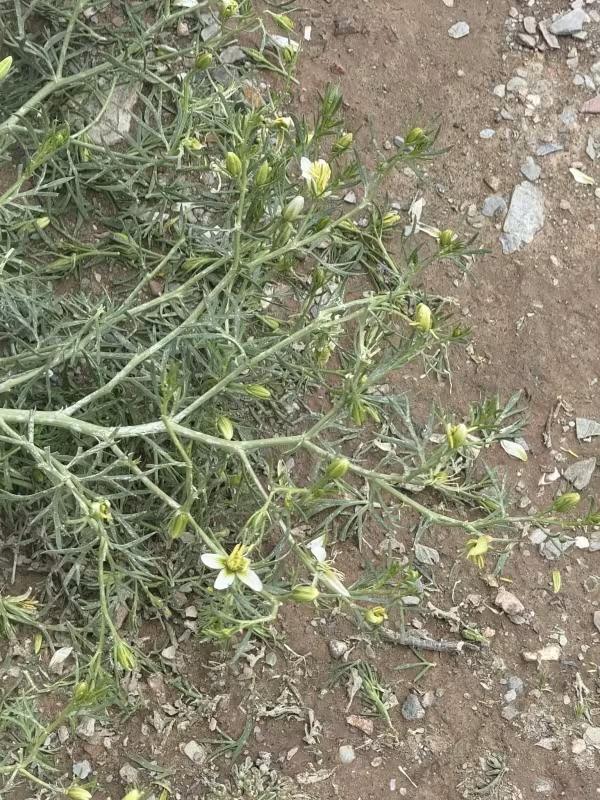
Description
Sowing dates
Sowing of Syrian rue is best performed in the late autumn or early spring, ensuring the soil temperature is sufficient to initiate germination of the seeds.
The seeds of Peganum harmala are known to be somewhat dormant, so scarification or cold stratification can significantly increase the rate of successful emergence.
Seeds should be sown at a shallow depth of approximately 1 centimeter, as they require sufficient contact with soil moisture while needing light to trigger the sprouting process.
During the first year, the plant focuses its energy on deep root development rather than above-ground biomass, which is a standard survival strategy for this species.
Row spacing should be maintained between 45 and 60 centimeters to ensure that each plant has enough space and resources to establish itself before the next growth cycle.
Growing requirements
Syrian rue belongs to the Nitrariaceae family and is highly adapted to semi-arid environments, favoring sunny, open areas with excellent soil drainage.
The crop thrives in sandy, alkaline, or slightly saline soils, making it an excellent candidate for marginal lands where traditional crops struggle to survive.
Water requirements are minimal once the plant is established, as the deep taproot allows the Syrian rue to access moisture from deeper soil layers during droughts.
It prefers warm, continental climates and is capable of withstanding intense summer heat without significant damage to its physiological functions.
While the plant is hardy, excessive humidity in the root zone must be avoided at all costs to prevent the development of root diseases.
Main diseases and pests
Syrian rue is remarkably resilient to most agricultural pests and diseases, largely due to its potent phytochemical composition which acts as a natural deterrent.
The primary threat to the crop, especially in the early stages, is the competition from fast-growing weeds that can outcompete the young seedlings for light.
Root rot remains the most common physiological problem, typically caused by waterlogged soil conditions rather than by any primary pathogenic infestation.
Monitoring for insect activity is generally unnecessary, as the plant is rarely selected by common agricultural pests found in its native range.
Maintenance involves periodic mechanical weeding and soil aeration to promote healthy root respiration and prevent the buildup of anaerobic conditions around the taproot.
Harvesting
Harvesting for medicinal purposes occurs during the peak flowering stage, which ensures the highest concentration of harmala alkaloids in the plant tissues.
The aerial parts are harvested by cutting the stems about 10 centimeters above the ground, allowing the plant to potentially regrow if conditions remain favorable.
Immediate processing after harvest is essential; the plant material must be spread out to avoid overheating, which can degrade the quality of the alkaloids.
Drying should take place in well-ventilated, shaded areas, ensuring the temperature remains under 45 degrees Celsius to protect the integrity of the active compounds.
Once dried, the herb should be stored in a cool, dry place, keeping it protected from direct sunlight and moisture to maintain its potency for an extended period.