
Pedalium murex
Pedalium murex
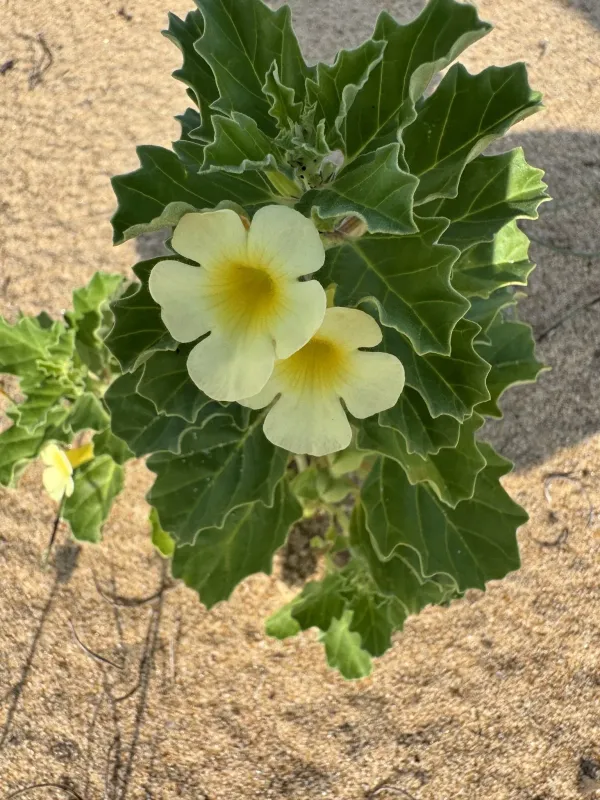
Description
Sowing dates
Pedalium murex is an annual herbaceous plant that requires a warm climate to ensure successful germination. The optimal time for sowing is when daily temperatures remain consistently high, and the soil has warmed to at least 20–25 degrees Celsius.
In tropical and subtropical regions, seeds are typically sown directly into the soil at the onset of the rainy season. Planting is performed in rows, maintaining sufficient spacing between plants to accommodate growth and facilitate easier field maintenance throughout the season.
Pre-sowing treatment of seeds is critical, as their protective coating is quite hard, often requiring soaking to break dormancy. This process significantly improves germination rates and ensures a more uniform emergence of seedlings across the planting area.
The sowing depth is generally kept between 2 to 3 centimeters, which allows the seeds to utilize soil moisture effectively while reaching the surface efficiently. Deep planting should be avoided to prevent delayed emergence and seedling stress.
Once seedlings have established, thinning is necessary to keep only the strongest plants, typically spaced 30–40 centimeters apart. This spacing reduces nutrient competition and allows each plant to develop a healthy, productive branching structure.
Growing requirements
This crop has high light requirements and thrives in open, sunny locations with direct sunlight. Insufficient light exposure leads to spindly, weak stems and a measurable reduction in the concentration of bioactive compounds within the leaves and fruits.
Pedalium murex prefers light, sandy, or loamy soils with excellent drainage capabilities. Water stagnation is highly detrimental to the plant, as the root system is sensitive to excessive moisture and can succumb to rot quickly if not kept in well-aerated soil.
The ideal soil pH for this culture ranges from neutral to slightly alkaline. In fields with heavy clay content, soil amendments such as sand or organic compost are necessary to improve porosity and aeration for better root health.
While the plant shows moderate drought tolerance, consistent irrigation is required during the flowering and fruiting stages to maximize yields. However, it is vital to allow the top layer of soil to dry out between watering sessions to maintain plant vigor.
Fertilization during the active growth phase is recommended, favoring phosphorus and potassium-rich inputs. These nutrients strengthen the plant's natural defenses and promote the development of robust fruits, which are the primary parts used in pharmaceutical applications.
Yield
The yield of Pedalium murex is heavily dependent on favorable climatic conditions and strict adherence to agrotechnical standards throughout the growing season. Under optimal conditions, the plant produces an abundance of fruits, which represent its main commercial value.
The total dry weight of the fruits harvested per unit of area serves as the primary indicator of productivity. Commercial farmers focus on optimizing planting density to achieve the highest possible output per hectare without compromising individual plant health.
A biological trait of this plant is its extended fruiting period, which allows for multiple harvesting rounds. This staggered approach helps increase the total seasonal yield, as not all fruits reach maturity at the same time.
Solar radiation intensity plays a significant role in determining final crop output. Regions with high levels of consistent daily sunlight consistently outperform areas with frequent cloud cover in terms of overall mass and quality.
Good field management, particularly the timely removal of weeds, prevents unnecessary competition for soil moisture and nutrients. This attention to detail results in higher quality produce and ensures that the final harvest meets standard market expectations.
Main diseases and pests
Pedalium murex is susceptible to various fungal diseases, particularly when soil moisture levels are not managed correctly. Root rot is a common issue when plants are overwatered or grown in soil with poor drainage systems.
Pests such as aphids and spider mites can cause significant damage to young shoots during the early stages of vegetation. Regular monitoring allows for early detection, enabling the use of targeted pest control measures before infestations spread.
Various caterpillar species may feed on the foliage, which can suppress growth rates and reduce the plant's overall energy reserves. The application of bio-insecticides is recommended to protect the crop while maintaining its chemical-free status for medicinal use.
Failure to follow proper crop rotation can lead to the accumulation of soil-borne pathogens that cause wilting. It is advisable to wait at least 3 to 4 years before planting this culture on the same land again to ensure soil health.
Proactive prevention strategies include selecting high-quality, treated seed stock and maintaining an appropriate plant density. Ensuring good air circulation between rows significantly lowers the probability of diseases taking hold within the crop canopy.
Harvesting
Harvesting Pedalium murex begins as the fruits, which are distinctively prickly, reach full maturity. The collection is typically done manually or with specialized tools, keeping in mind the sharp nature of the pods to avoid injury.
Harvesting should only occur during dry weather to prevent moisture-related decay or fungal growth on the collected fruit. Immediate post-harvest processing is essential to prevent heating or fermentation of the fresh material.
The fruits are cleaned to remove debris and foreign matter before being carefully dried in shaded areas or controlled drying chambers. Maintaining precise temperatures during drying is crucial to preserve the integrity of the plant's medicinal compounds.
The final raw material must be stored in dry, well-ventilated rooms away from direct sunlight. Proper storage conditions ensure that the biological activity of the plant remains stable for a long period, maintaining its value for pharmacological use.
For industrial processing, the fruits may be ground or subjected to extraction methods to isolate active ingredients. The remaining plant stalks and debris are often composted and used as organic fertilizers for future crops.