
Payena maingayi
Payena maingayi
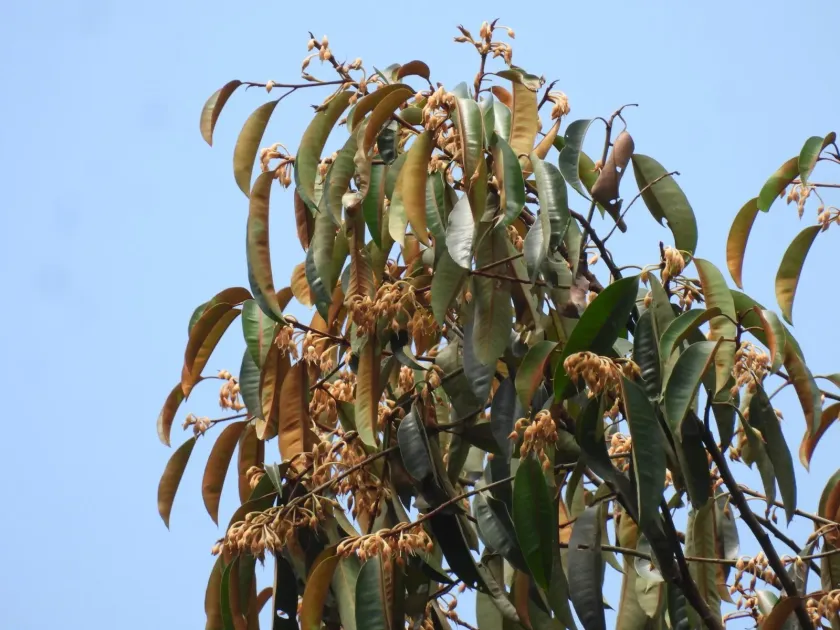
Description
Growing requirements
Payena maingayi is a prominent evergreen tree species belonging to the Sapotaceae family. It is native to the tropical rainforests of Southeast Asia, thriving particularly well in the climatic conditions of Malaysia and surrounding regions.
The species requires a strictly tropical environment characterized by high temperatures and consistent rainfall throughout the year. It does not possess adaptations for dormancy, making it highly dependent on a stable, warm climate.
For successful growth, this tree demands deep, well-draining soil that is rich in organic matter. While it enjoys high humidity levels, waterlogged soil conditions are detrimental to root health and overall development.
In terms of light exposure, young trees often benefit from partial shade, mimicking the conditions of the forest understory. As the trees mature, they require a larger canopy opening to optimize their photosynthetic efficiency.
Agronomic maintenance focuses on soil integrity and nutrient management. Maintaining a layer of leaf litter around the base of the trees helps replicate natural nutrient cycling, which is essential for healthy growth.
Harvesting
The primary economic value of Payena maingayi lies in its high-density timber. Harvesting practices must be strictly controlled to ensure that the ecological balance of the tropical regions is maintained.
The timber is widely valued for its durability, strength, and resistance to environmental degradation. It is commonly used in high-end carpentry, construction, and specialized architectural projects.
Historically, trees within the Payena genus were utilized for latex extraction to produce gutta-percha. Although synthetic substitutes have replaced much of its demand, the species remains of interest for potential bio-based materials.
The collection of seeds for reforestation and nursery propagation is conducted by local foresters. Timing is critical, as seeds must be harvested at peak maturity to ensure high germination rates.
Sustainable harvesting strategies are essential for the future viability of these forests. By monitoring the growth rate and ecological health, managers can ensure a continuous supply of wood resources without compromising habitat biodiversity.