
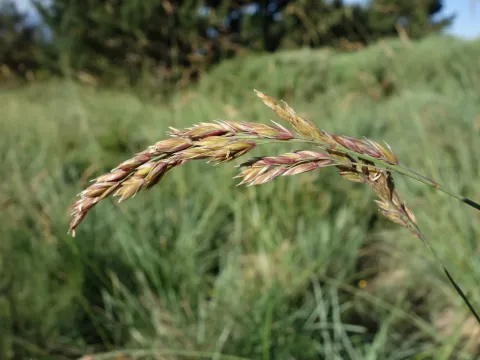
Patzkea
Patzkea
The genus Patzkea is a member of the Poaceae family. Historically integrated into the Festuca genus, these plants have been taxonomically reclassified due to their distinct vegetative and reproductive characteristics that differ from traditional fescues.
What the section contains
Patzkea
These plants are native to temperate regions and are known for their ability to thrive in diverse soil conditions, ranging from rocky slopes to well-drained loams. Their ecological niche is typically found in grasslands where they serve as a structural component of the vegetation.
In agricultural practice, the species prefers soils with neutral pH levels. Good drainage is essential, as the root system is sensitive to waterlogging. These plants have demonstrated high resilience in moderate climates, often exhibiting superior drought tolerance compared to other forage grasses.
Light requirements for this crop are relatively high. Adequate exposure to sunlight is crucial for biomass accumulation and the induction of flowering. Shaded environments tend to produce weak, succulent growth that is less resistant to environmental stressors.
The species is highly winter-hardy, surviving cold dormant periods well due to the protective nature of its basal tillers. This trait makes it an attractive candidate for temperate climate agricultural programs aiming for consistent year-round ground cover.
Patzkea is primarily utilized for hay production and as a permanent pasture component. The harvesting strategy should prioritize the stage of early heading, ensuring the highest nutritional value before the plant diverts energy into lignification and seed formation.
When used for grazing, it is vital to manage livestock density. Continuous heavy grazing can deplete the plant's carbohydrate reserves, reducing its vigor for the following season. Rotational grazing patterns are recommended to maintain stand density.
Seed harvesting requires a careful approach, often utilizing swathing techniques to allow for uniform drying of the grain in the field. This method significantly reduces losses caused by the shattering of seeds, which is common in many wild grasses.
Following the harvest, seeds should be cleaned and sorted to remove chaff and debris. Proper storage conditions, specifically low humidity and stable temperatures, are necessary to ensure high viability rates for the next sowing cycle.
Fertilization management should be focused on phosphorous and potassium application, supplemented with light nitrogen doses in early spring. This ensures robust root development and efficient regrowth cycles after each cut or grazing session.