
Passiflora tarminiana
Passiflora tarminiana
Description
Sowing dates
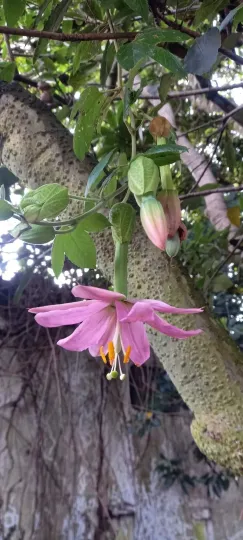
Passiflora tarminiana, commonly known as banana passionfruit, is a vigorous climbing vine belonging to the Passifloraceae family. It is native to the Andean highlands and is widely cultivated for its edible fruits.
Seeds are sown in a well-draining, nutrient-rich soil mix, typically at a depth of about 1 cm. To improve germination rates, which can be inconsistent, seeds should be kept in a warm environment with constant soil moisture.
Propagation is most efficiently achieved through semi-hardwood cuttings. These are taken from healthy, disease-free plants and rooted in a medium with high humidity and stable temperatures around 22–24°C.
Young plants are very sensitive to transplant shock, so it is recommended to use biodegradable pots if possible. The ideal time for planting out is after the risk of frost has completely passed.
Spacing is a crucial factor for this culture; plants should be set 2 to 3 meters apart along robust trellises. This ensures adequate airflow and prevents the development of fungal infections in the dense foliage.
Growing requirements
The climate requirements for this species are specific; it thrives in cooler, high-altitude regions. Temperatures above 30°C can cause significant stress, leading to flower drop and reduced fruit quality.
Soil must be fertile and possess excellent drainage capabilities. While it prefers slightly acidic to neutral pH levels, it is highly intolerant of waterlogged conditions, which quickly trigger root rot.
Consistent moisture is necessary, especially during the fruit-set stage. Automated irrigation systems are ideal for maintaining the precise moisture levels required for high-yield production.
Nutrient management involves regular applications of NPK fertilizers balanced with secondary micronutrients. Potassium is particularly essential during the flowering and fruiting phases to enhance taste and shelf life.
Structural support is non-negotiable for Passiflora tarminiana. A strong wire trellis system helps manage the vine's rapid growth, making pruning and harvesting significantly more efficient throughout the season.
Main diseases and pests
Root rot is the most serious threat to this crop, often caused by poor drainage or overwatering. Maintaining soil aeration is the primary defense strategy against these harmful soil-borne pathogens.
Spider mites are common in greenhouse environments where humidity fluctuates significantly. Regular misting and the introduction of predatory mites are effective biological control measures to keep populations in check.
Aphids can infest terminal buds and tender new growth. Early detection is key; hand-picking or the use of insecticidal soaps can be sufficient if the infestation is caught in its initial stages.
Thrips may damage the fruit surface, creating unsightly blemishes that lower market value. Sticky traps and systemic biological treatments are recommended to manage these pests without harming beneficial insects.
Whiteflies can also thrive in poorly ventilated greenhouse setups. Proper crop hygiene and ensuring adequate air circulation are the best preventative measures against this persistent pest.
Harvesting
The harvest period begins as the fruits turn from green to a distinct yellow or orange hue. They are typically harvested when they feel slightly soft to the touch, indicating full maturity.
As the fruits ripen over several months, they must be gathered repeatedly throughout the season. Harvesting should be done with care to avoid bruising the delicate skin, which is susceptible to damage.
Post-harvest handling is critical; the fruits should be stored in a cool, ventilated area. Proper sorting ensures that only high-quality produce reaches the market, maintaining a good reputation for the crop.
The culinary applications of Passiflora tarminiana are diverse, ranging from fresh consumption to processing into juices and syrups. Its unique flavor profile is highly prized in high-end culinary markets.
Properly maintained vines can remain productive for several years. Annual pruning of spent branches after the final harvest of the season is essential to encourage strong, healthy regrowth for the following year.