
Passiflora porophylla
Passiflora porophylla
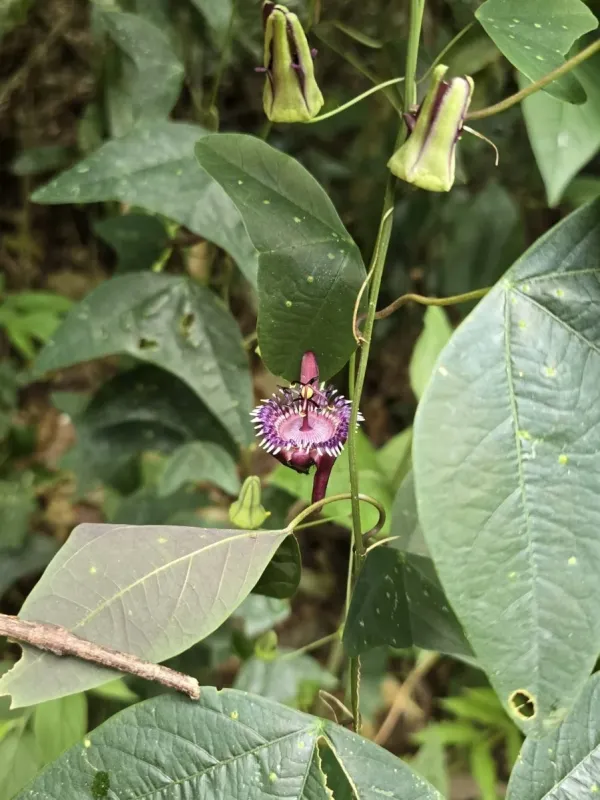
Description
Sowing dates
Passiflora porophylla is a tropical vine belonging to the Passifloraceae family. It is typically propagated through seeds or stem cuttings, requiring specific conditions for successful establishment in a controlled environment.
Seeds should be planted in a well-draining, sterile potting mix to minimize the risk of soil-borne pathogens. Optimal germination occurs at temperatures between 22 and 26 degrees Celsius, often necessitating the use of propagation mats.
For cuttings, semi-hardwood stems are preferred to ensure better success rates during rooting. Maintaining high humidity and consistent warmth is crucial for the development of the root system in the initial stages.
Proper spacing is required during the transplantation phase to allow adequate airflow and prevent the development of foliage diseases. The vine exhibits fast growth, requiring timely support installation.
Sowing schedules are highly dependent on the climate zone; in non-tropical regions, cultivation is limited to greenhouses or controlled-environment agriculture where light and temperature can be manipulated.
Growing requirements
Passiflora porophylla demands a location with bright, filtered sunlight to thrive. Excessive exposure to direct midday sun can lead to leaf scorching, while insufficient light hinders flowering and fruit production.
The soil should be fertile, acidic to neutral, and possess high organic content. Achieving an ideal balance of drainage and moisture retention is essential, as the plant does not tolerate waterlogged conditions.
Consistent moisture is key, particularly during the growing season. However, it is vital to allow the top layer of soil to dry out slightly between waterings to prevent root rot and other moisture-related ailments.
As a tropical species, it is highly sensitive to frost and cold drafts. It should be grown in environments where temperatures do not drop below the minimum threshold required for tropical flora, usually above 15 degrees Celsius.
Treillising is necessary for the plant's health, as it is a vigorous climber. Providing sturdy structures ensures proper canopy management, better access to sunlight, and more efficient harvesting of fruit.
Main diseases and pests
Common pests affecting this vine include spider mites and aphids, which can proliferate rapidly in warm, dry greenhouse conditions. Integrated pest management, including periodic inspections, is recommended.
Fungal issues, particularly powdery mildew and root rot, are major concerns. These are typically mitigated by ensuring proper irrigation practices and adequate ventilation within the growing space.
Viral infections can sometimes be transmitted by sap-sucking insects, leading to stunted growth or deformed leaves. Removing and disposing of infected plant material is a standard control measure.
Mealybugs are another potential threat, often hiding in the crevices of stems and leaf junctions. Manual removal or the use of horticultural oils can effectively manage localized outbreaks.
Maintaining strong plant health through balanced fertilization and proper cultural practices is the best defense against pests and diseases. Stressed plants are significantly more susceptible to infestations.