
Straw paspalum
Paspalum stramineum
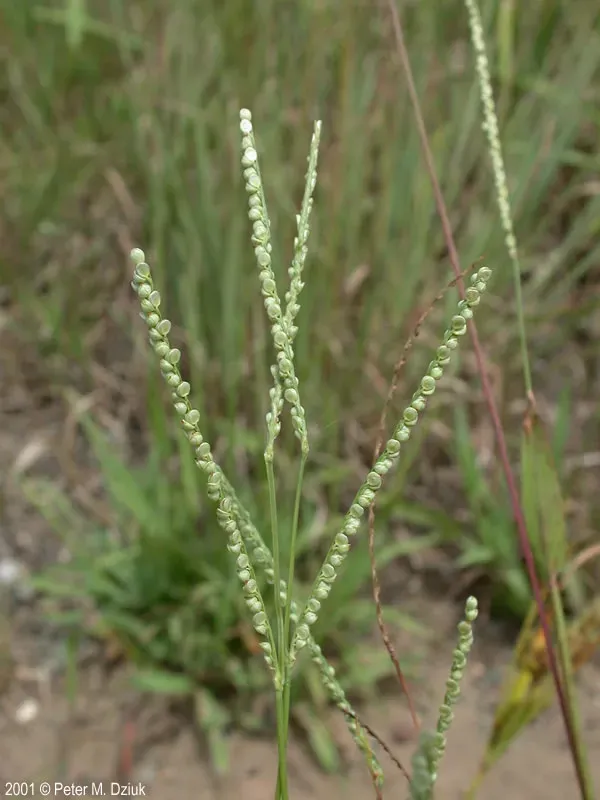
Description
Sowing dates
Straw paspalum (Paspalum stramineum) is a perennial grass species belonging to the Poaceae family. It is recognized for its adaptability to dry environments and is often utilized in forage management systems.
The sowing process begins when soil temperatures consistently reach 15–20 degrees Celsius. In North American native regions, seeding typically occurs during the late spring to ensure moisture availability for germination.
Proper seedbed preparation is essential, as the seeds are small and require close contact with soil particles to germinate effectively. Mechanical drilling at a shallow depth of 1–2 centimeters is highly recommended for optimal emergence.
Seed density should be calculated based on the specific usage of the site. For pasture development, higher sowing rates are used to prevent weed encroachment during the establishment phase.
Once established, the grass displays excellent lateral growth via rhizomes or dense tillering, which helps fill in gaps and maintain a uniform vegetative cover across the planting area.
Growing requirements
This species is native to North America and thrives in sandy or well-drained soils. Its biological structure is highly adapted to arid conditions, allowing it to survive drought periods that would deplete other grass species.
Sunlight exposure is a critical factor for productivity. Straw paspalum performs best in full sun and does not compete well with woody vegetation or invasive shrub species that create excessive shade.
Regarding soil chemistry, the plant shows a wide range of tolerance but prefers neutral or slightly acidic conditions. Extreme alkalinity can sometimes lead to nutrient deficiencies visible in the leaf color.
Fertilization with balanced nutrients is beneficial, though nitrogen applications should be monitored carefully to prevent excessive leafy growth that might decrease the overall stability of the plant canopy.
Water requirements are relatively low compared to other forage grasses. However, supplementary irrigation during the early development stages can significantly improve the root system's depth and resilience.
Main diseases and pests
Fungal pathogens such as rust and leaf spot are common threats, especially when humidity levels remain elevated for extended periods. These diseases can impair photosynthesis and reduce the plant's nutritional value.
Powdery mildew is another occasional concern. It typically appears as a fine white coating on the leaves, particularly in areas with poor air circulation or overcrowding of the grass stand.
Insect pests, including aphids and various grass-feeding beetles, may target the foliage during active growth months. Integrated pest management strategies are advised to keep populations below economic thresholds.
Root zone damage by soil-dwelling larvae can stunt plant growth, leading to patchy fields. Crop monitoring is essential for early detection of these underground threats.
Implementing regular mowing cycles is a highly effective cultural control method. By removing diseased or infested tissue, the overall health of the stand is maintained throughout the growing season.