
Paspalum pumilum
Paspalum pumilum
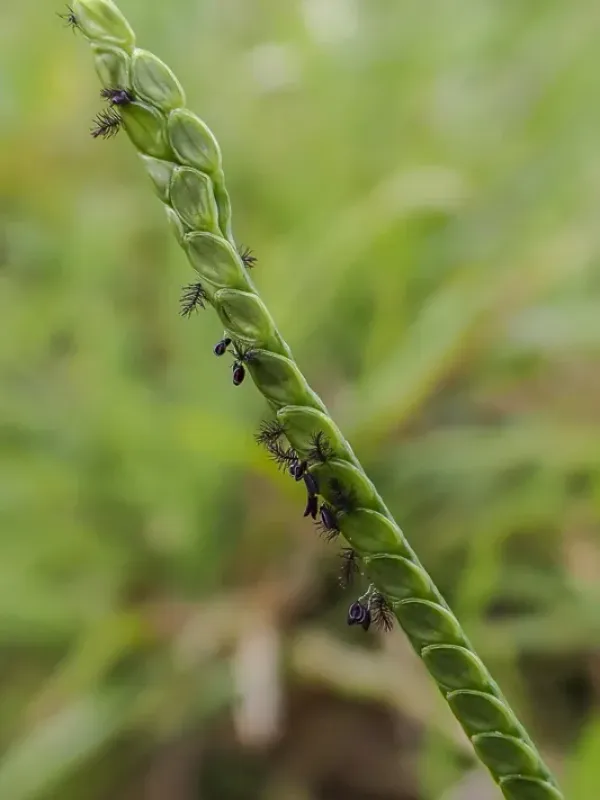
Description
Growing requirements
Paspalum pumilum is a perennial grass species belonging to the Poaceae family. Known for its low-growing habit and robust root system, it is an important component of grassland ecosystems within its native range.
Originating from the tropical and subtropical regions of South America, this grass has adapted to environments that experience distinct wet and dry cycles. It is commonly found in meadows and damp savannas where it functions as a primary soil cover.
The botanical structure of the plant features stoloniferous growth, allowing it to spread effectively across the soil surface. Its leaves are narrow and relatively short, which helps in maintaining moisture within the plant tissue even under fluctuating environmental conditions.
Environmental requirements for Paspalum pumilum include high light exposure and consistent soil moisture. While it is tolerant of low-fertility soils, optimal biomass production is achieved in well-drained loamy soils with slightly acidic pH levels.
Agricultural use is primarily focused on pasture establishment for livestock. It is valued for its persistence and ability to recover quickly after grazing, providing a steady source of forage throughout the growing season in appropriate climates.
Main diseases and pests
Disease pressure in Paspalum pumilum is primarily associated with fungal pathogens, including various leaf spot fungi and rust species, which can cause significant damage in humid or stagnant air environments.
Pests such as grasshoppers and aphids can occasionally reach threshold levels that require intervention. These pests typically damage the foliage, reducing the photosynthetic capacity and overall vigor of the grass sward.
Effective management strategies include rotational grazing to prevent over-accumulation of old vegetation, which helps in reducing the habitat suitability for common fungal pathogens and insects.
Cultural control methods involve maintaining optimal soil fertility through minimal fertilization, which helps the plants resist stress and recover more rapidly from minor pest infestations.
Given its role in extensive farming systems, monitoring the sward health through regular inspections is essential to ensure long-term pasture productivity without excessive reliance on chemical inputs.