
Paspalum proliferum
Paspalum proliferum
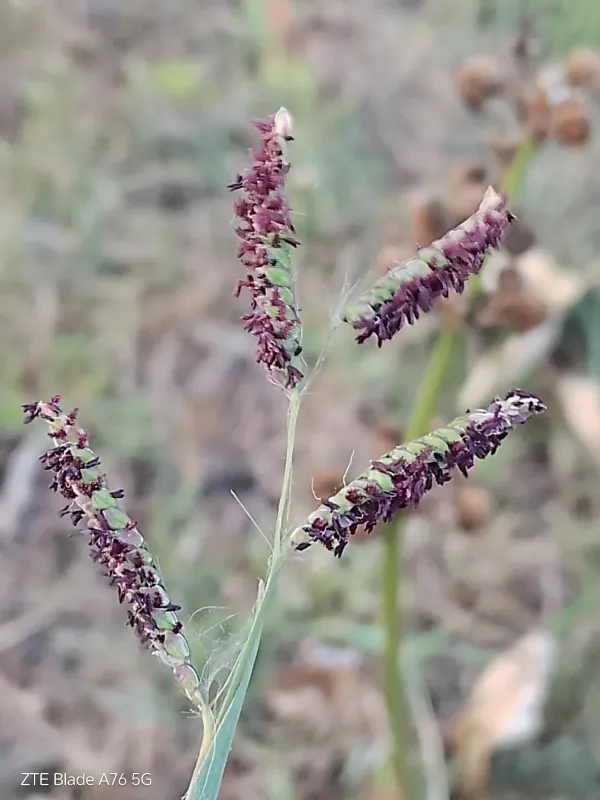
Description
Sowing dates
Paspalum proliferum is typically established by seeding in the spring when soil temperatures consistently reach levels suitable for rapid germination and root development.
The seeds should be sown in rows, ensuring proper spacing to allow for adequate airflow and light penetration, which are crucial for the development of the seedlings.
Placement depth is a critical factor; seeds should be buried no deeper than 1–2 centimeters to ensure they have sufficient energy to reach the surface while remaining connected to soil moisture.
Uniformity in seeding is achieved through precise mechanical drills, which help in maintaining an even stand density across the entire cultivated area.
Post-sowing soil compaction is often recommended to improve the contact between the soil particles and the seed, facilitating a more effective water intake for initial sprouting.
Growing requirements
Belonging to the Poaceae family, Paspalum proliferum is well-adapted to varied environmental conditions, specifically thriving in humid tropical and subtropical climates.
The species prefers well-drained, fertile soil types but exhibits a remarkable resilience to temporary waterlogging, which often occurs in flood-prone regions.
Light availability is essential for maximum productivity; therefore, selecting sites that are fully exposed to sunlight will yield the best results for biomass production.
Nitrogen fertilization is a key requirement to support the intensive vegetative growth cycle, particularly after repeated cuttings or heavy grazing events.
Temperature fluctuations are generally tolerated well by the plant, provided the growing season remains within its optimal thermal range of 22 to 30 degrees Celsius.
Yield
The biomass yield of Paspalum proliferum is highly dependent on effective water management and the balanced application of mineral fertilizers throughout the season.
When managed under intensive conditions, this grass provides multiple harvests annually, making it a highly reliable source of forage for livestock farmers.
The plant’s ability to regrow rapidly after harvest allows for sustainable rotation of pastures, which maximizes the grazing potential of the field.
Productivity metrics improve significantly when the soil nutrient levels are maintained at optimal levels, ensuring the grass remains vigorous and dense.
Harvesting at the correct developmental stage is vital to ensure that the nutritional quality of the forage remains high, balancing biomass weight with crude protein content.
Main diseases and pests
The primary threats to Paspalum proliferum include various fungal leaf pathogens that can spread rapidly in high-humidity conditions or dense, poorly managed stands.
Insect pests, including aphids and larvae, may occasionally target young growth, causing localized damage that can weaken the overall resilience of the plant population.
Preventive management involves maintaining proper harvest cycles to remove mature, susceptible plant tissue and promote new, healthier regrowth.
Integrated pest management strategies are preferred to control potential outbreaks, focusing on natural balances and minimizing the need for broad-spectrum chemical treatments.
Frequent monitoring of the field helps in early detection of symptoms, allowing for timely intervention before the health of the entire stand is compromised.
Harvesting
Harvesting for silage or hay should be conducted during the early flowering phase when the plant possesses an optimal balance of digestible nutrients and biomass.
The cutting height must be carefully managed to leave sufficient stubble, which is essential for the rapid regeneration of the plant's vegetative parts.
When producing hay, the cut material should be allowed to dry quickly under optimal weather conditions to prevent nutrient loss and mold formation.
For grazing purposes, a controlled rotation schedule ensures that the plants are not overgrazed, which helps in maintaining the longevity of the pasture stand.
Proper storage of harvested biomass in dry environments is crucial to preserving its nutritional integrity until it is needed for feeding operations.