
Paspalum modestum
Paspalum modestum
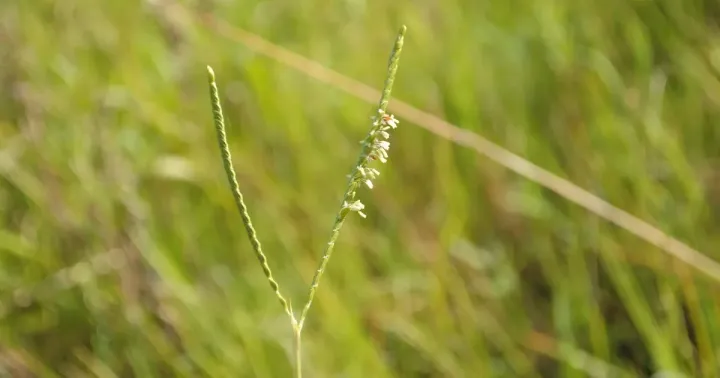
Description
Growing requirements
Paspalum modestum is a perennial grass species belonging to the Poaceae family. Originating from the tropical and subtropical regions of South America, it has adapted to diverse soil conditions and is recognized for its persistence in pasture ecosystems.
The plant features a robust root system and narrow leaves, which are structural adaptations to thrive in regions with periodic fluctuations in water availability. The stalks are generally erect, contributing to its biomass production potential.
Climate requirements for this species include high warmth and long growing seasons. It is highly sensitive to frost, which limits its commercial cultivation to frost-free zones where average temperatures support continuous development.
Regarding soil preferences, it performs best on well-drained loamy or sandy-loam soils. While it tolerates minor soil acidity, maintaining optimal nutrient levels is crucial for high-yield performance in agricultural fields.
Economically, Paspalum modestum is primarily utilized for livestock grazing. Its nutritional profile makes it a reliable feed source, provided that the management of the pasture ensures rotational grazing and recovery periods for the plants.
Main diseases and pests
The main threats to Paspalum modestum include various fungal infections, such as rust and smut diseases, which can significantly impair the quality of forage. These pathogens thrive in high humidity and stagnant air conditions.
Insect pests such as grasshoppers and soil-dwelling larvae can cause severe defoliation or root damage. These pests are particularly problematic during the early establishment phase of the crop.
Integrated Pest Management (IPM) strategies are recommended to mitigate risks. This includes monitoring for early signs of infestation and utilizing cultural practices such as adjusting grazing density to reduce pest habitat.
Good field drainage is essential to minimize the risk of root rots and fungal proliferation. By maintaining healthy plant vigor through balanced fertilization, farmers can enhance the crop's natural defense mechanisms.
Regular harvesting or grazing cycles serve as a mechanical way to reduce the buildup of dead plant tissue, where many pathogens and pests overwinter, thereby keeping the pasture cleaner and more productive.