
Paspalum melanospermum
Paspalum melanospermum
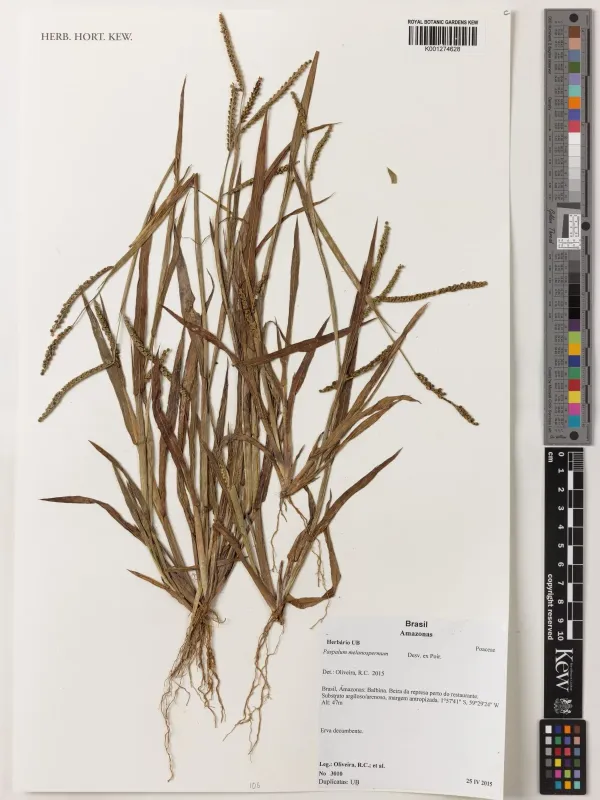
Description
Sowing dates
Paspalum melanospermum is a perennial grass species belonging to the Poaceae family. Sowing is recommended during the spring season when soil temperatures remain consistently above 15–18 degrees Celsius, ensuring optimal conditions for seed germination.
The timing should align with the end of the frost season to protect sensitive seedlings. Soil moisture is critical during the initial establishment phase, necessitating proper planning according to local precipitation patterns.
Seeds should be planted at a shallow depth of approximately 1–2 centimeters, given their small size. Precision seeders are highly recommended to ensure uniform distribution and avoid overcrowding in the field.
Post-sowing rolling is a vital agronomic practice that improves soil-seed contact. This step enhances capillary water movement to the seed, which significantly improves the germination rate and initial survival of the grass.
In regions with long growing seasons, late summer or early autumn seeding is possible, provided there is enough time for the root system to become established before the onset of winter dormancy.
Growing requirements
This crop is known for its high adaptability to various soil textures, including nutrient-poor soils. It performs best on well-drained loam soils where its root system can penetrate deeply to access available moisture.
Paspalum melanospermum is a sun-loving plant that requires full exposure to solar radiation. Shading from trees or dense weeds significantly reduces its tillering capacity and lowers the overall biomass yield.
The plant exhibits moderate drought tolerance, enabled by a robust root system. While it remains productive during mild dry spells, extended periods of drought can lead to reduced growth and forage quality.
Fertilization with nitrogen during the active growth phase is recommended to maximize dry matter production. Monitoring the soil pH is essential, as the plant prefers slightly acidic to neutral conditions for optimal nutrient uptake.
The crop does not tolerate waterlogging. Selecting a field with excellent natural or artificial drainage is necessary to prevent root rot and ensure the longevity of the stand in the long term.
Yield
Paspalum melanospermum is valued primarily for its ability to produce consistent biomass suitable for both grazing and hay production. It creates a dense sward that is highly durable under managed utilization.
Multiple cuts can be achieved within a single growing season under favorable management. Regular cutting or controlled rotational grazing stimulates new vegetative growth and prevents the grass from becoming overly stemmy.
Dry matter yields depend heavily on management intensity and soil fertility. Average yields range from 4 to 8 tons per hectare, though irrigated conditions can significantly boost these figures to meet high-demand scenarios.
Nutritional value is highest before the flowering stage. Harvesting at the peak of vegetative growth is recommended to ensure high protein content and digestibility, which is critical for livestock performance.
Maintaining the stand requires careful grazing management. Leaving a stubble height of at least 5–7 centimeters after grazing or cutting allows the plant to recover energy reserves and ensures sustainable productivity.
Main diseases and pests
Rust fungi are the primary disease threat, particularly in humid conditions with poor air circulation. Implementing appropriate seeding rates and ensuring proper field spacing can significantly reduce the incidence of these pathogens.
Root rot pathogens may occur if drainage is insufficient or if the soil remains saturated for long periods. Proper field selection and soil management remain the most effective preventive measures against these infections.
Pests such as grass bugs and cicadas can cause damage to the leaf tissue during the early establishment phase. Integrated pest management, including monitoring and timely mowing, is recommended to keep pest populations below economic thresholds.
Weed competition can be severe during the first few months of growth. Selective herbicides may be employed to manage weeds, ensuring that the Paspalum stand dominates the site and has access to essential resources.
Overall plant health is best maintained through proper rotation and balanced fertilization. A vigorous, well-fed grass stand is naturally more resilient to minor infestations and environmental stress factors.