
Paspalum mandiocanum
Paspalum mandiocanum
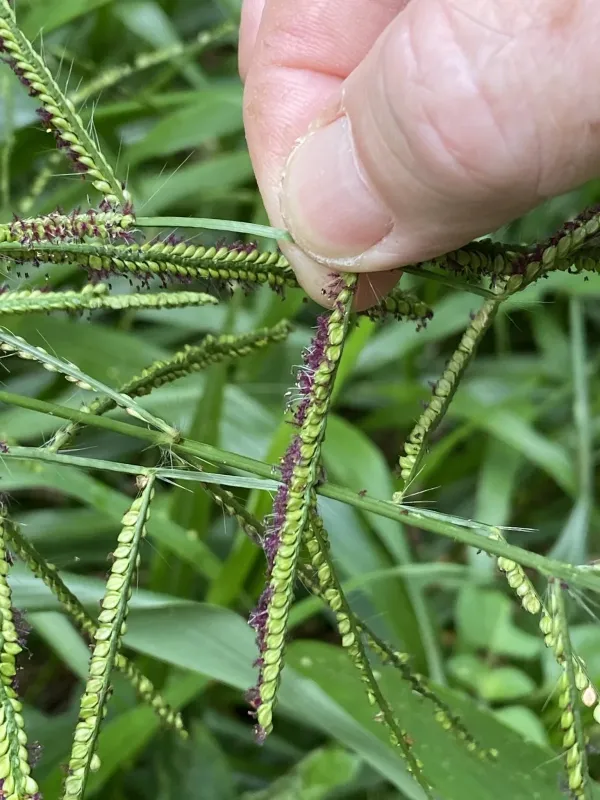
Description
Growing requirements
Paspalum mandiocanum is a robust perennial grass belonging to the Poaceae family. Native to South American tropical and subtropical regions, this species is highly valued for its ability to thrive in various environmental conditions, particularly in pasture systems.
The plant exhibits high ecological plasticity, allowing it to adapt to diverse soil types, including poor or acidic soils. It prefers well-drained locations with ample sunlight, which are essential for maintaining its vigorous growth rate throughout the growing season.
Regarding climate, this grass requires warm temperatures to reach its full production potential. While it can withstand periods of temporary drought due to its deep and resilient root structure, it performs best in regions with consistent rainfall distribution.
Botanically, Paspalum mandiocanum is characterized by the formation of dense tufts, which help protect the soil surface from erosion. Its leaves are generally lanceolate and can be covered with fine hairs, contributing to its overall durability as a grazing crop.
The primary agricultural application of this species is as high-quality forage for livestock. It provides significant nutritional value, offering a reliable source of fiber and energy, making it an excellent choice for cattle grazing programs in tropical climates.
Main diseases and pests
Like many tropical grasses, Paspalum mandiocanum is susceptible to fungal infections if the climate becomes excessively humid or if soil drainage is inadequate. Pathogens like rust or ergot can reduce the biomass quality and overall palatability for livestock.
Various insect pests, including spittlebugs, pose a significant threat to the health of the stand. These pests feed on the plant sap and can weaken the root system, causing yellowing and stunted growth if left unmanaged by agricultural producers.
Effective management strategies include the implementation of rotational grazing, which helps disrupt the lifecycle of pests and prevents the over-accumulation of old plant material that can harbor diseases and fungal spores.
Maintaining soil fertility through balanced fertilization is another key aspect of disease management. Healthy, well-nourished plants are naturally more resistant to environmental stressors and less likely to succumb to minor infestations.
Periodic monitoring and early detection are crucial. If severe damage is detected, localized mowing or the application of selective biocontrol agents may be necessary to stabilize the stand and restore the pasture's productivity.