
Paspalum lividum
Paspalum lividum
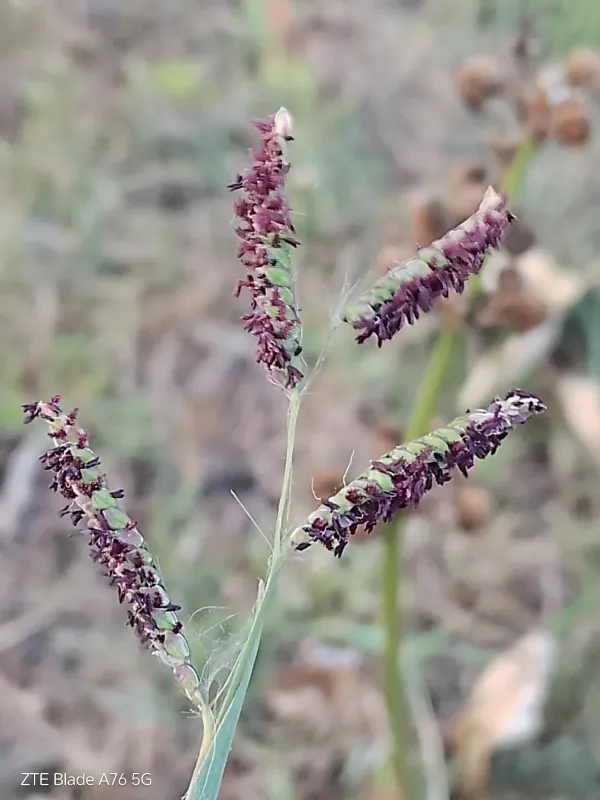
Description
Growing requirements
Paspalum lividum is a perennial grass species belonging to the Poaceae family. Originating from the tropical and subtropical regions of the Americas, it is well-adapted to environments characterized by significant moisture levels and warm climate conditions.
Botanically, this species is noted for its ability to thrive in heavy, poorly drained soils where many other forage crops struggle. It exhibits remarkable resilience to periodic inundation, making it a valuable candidate for land reclamation and pasture development in wetlands.
The plant requires high light intensity and consistently warm temperatures for optimal biomass production. It is highly intolerant of frost, which restricts its cultivation area to frost-free zones or tropical climates where growth can continue year-round.
In terms of soil management, Paspalum lividum prefers heavy clay textures that retain moisture. Its root system is capable of forming dense sod, which helps prevent soil erosion and effectively competes with invasive weed species in pasture lands.
Economically, it serves as an excellent forage crop for livestock grazing in wet areas. Its palatability and resistance to trampling ensure that it can sustain intensive grazing pressure while maintaining productivity throughout the rainy season.
Main diseases and pests
The crop is susceptible to various rust fungi, particularly under conditions of high humidity and moderate temperatures. These pathogens can significantly reduce the photosynthetic capacity and nutritional quality of the forage.
Various lepidopteran pests can cause damage by feeding on the leaf blades during the peak growth season. Regular scouting and integrated pest management practices are recommended to mitigate potential damage to the forage stands.
Root rot pathogens may become an issue in areas with standing water that lacks adequate circulation. Proper pasture management and avoiding overgrazing can minimize the stress on the plant, thereby increasing its natural resistance to disease.
Ergot infection can occur during the seed maturation phase if the grass is allowed to go to seed. Ensuring the pastures are grazed or mowed before the inflorescence matures helps in maintaining the health and safety of the forage.
Cultural control methods, such as rotational grazing and regular clipping of mature forage, are essential for disease prevention. Maintaining a vigorous, actively growing stand is the best defense against environmental and biotic threats.