
Paspalum denticulatum
Paspalum denticulatum
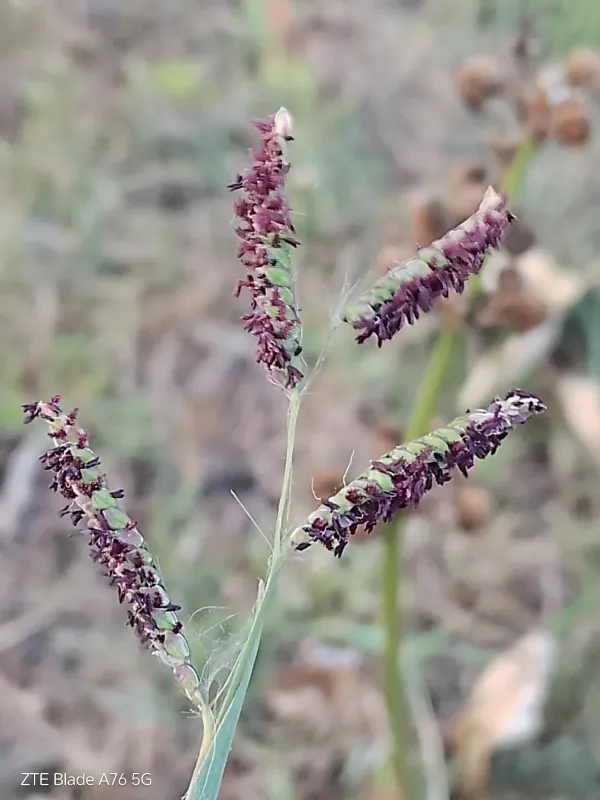
Description
Sowing dates
Paspalum denticulatum is a perennial grass species belonging to the Poaceae family. Known for its robustness and adaptability, it is increasingly utilized in agricultural systems, particularly in regions where environmental conditions favor its growth.
The sowing process typically begins when soil temperatures consistently reach 15–18 degrees Celsius. This warming period ensures rapid germination and successful establishment of the seedlings, which is critical for the long-term productivity of the meadow.
Seed depth must be carefully managed, typically set between 1 to 2 centimeters. Because the seeds are relatively small, it is essential to ensure they have good soil contact; light rolling after sowing is a standard practice to improve the germination rate.
Vegetative propagation is another common method used to establish pastures. Dividing and transplanting rhizomes into moist soil provides a faster coverage of the area, especially in parts of the field where direct seeding might be less effective.
Density is a key factor in initial sowing. A sufficient number of plants per square meter helps the crop shade the ground quickly, effectively suppressing weeds and ensuring that the grass dominates the pasture surface from the beginning.
Growing requirements
This grass thrives in sun-exposed areas and requires consistent moisture to reach its full potential. It is adaptable to various soil textures, including sandy and loamy types, provided they offer efficient drainage to prevent water stagnation.
Fertilization plays a significant role in managing the yield of Paspalum denticulatum. Nitrogen supplementation, in particular, is highly effective in promoting vigorous leaf development, though it should be applied in balance with other minerals for plant health.
Climate plays an essential role in its development, as the species is sensitive to extreme frost. It flourishes best in warm, temperate to tropical climates, where the growing season is long and temperatures remain within a favorable range for constant growth.
The ideal soil pH for this crop is slightly acidic to neutral. High levels of soil salinity or extreme alkalinity can negatively impact the plant’s nutrient uptake, leading to diminished growth and reduced overall biomass production.
Maintaining proper hydration is vital. While the plant possesses a well-developed root system that can withstand short dry spells, supplemental irrigation during peak growth periods significantly boosts the biomass and forage quality of the stands.
Yield
The yield potential of Paspalum denticulatum is high when managed under intensive agricultural practices. Regular mowing or controlled grazing cycles allow the grass to regenerate rapidly, ensuring a constant supply of green matter.
Nutritional value is optimized when the crop is harvested before it enters the reproductive stage. At this point, the leaves are rich in proteins and fiber, making it an excellent source of feed for livestock in various production systems.
Rotational grazing is the preferred method for pasture management. By dividing the land into smaller paddocks, farmers can manage the recovery time of the grass, ensuring that it is grazed only when it reaches the peak of its nutritional quality.
Productivity remains steady throughout the growing season if irrigation is used. In rain-fed systems, yield may fluctuate depending on the frequency of rainfall, but the grass’s ability to recover after dry periods makes it a reliable choice for ranchers.
Annual yields are influenced by the maintenance of soil fertility. Regular soil testing and corrective fertilization are necessary to ensure that the stand does not decline in productivity as it ages, maintaining it as a productive resource.
Main diseases and pests
Fungal diseases, particularly rust and leaf spot, are the primary threats to the health of the stands, especially during periods of high humidity and limited airflow within the crop canopy.
Pests, including certain types of aphids and grass-feeding insects, can cause significant damage to young shoots. Farmers should monitor fields regularly to identify infestations early and prevent them from spreading across the pasture.
Weed competition poses a significant risk to young plants. If not managed properly in the early stages, invasive weeds can outcompete Paspalum denticulatum for light, water, and space, resulting in an uneven and less productive field.
Overgrazing is a dangerous practice that can lead to soil compaction and the destruction of the plant's root crown. This environmental stress makes the grass more susceptible to pathogens and can eventually lead to the loss of the pasture stand.
Nematode infestations in the soil can sometimes hinder root development, leading to stunted growth. Crop rotation and maintaining soil health are effective preventative strategies to mitigate these risks and promote long-term plant vigor.
Harvesting
Harvesting for hay requires specific equipment settings to ensure a clean cut. Maintaining a stubble height of at least 5-7 centimeters is essential to allow the plant to regenerate successfully from the base of the stems.
After mowing, the grass should be spread to dry under the sun. This step reduces moisture content to a safe level, which is critical for storing the hay for longer periods without the risk of microbial spoilage or mold growth.
Controlled rotational grazing acts as a harvesting method that minimizes waste. By allowing animals to graze only a portion of the field at a time, farmers can ensure efficient consumption and keep the grass in a vegetative, highly nutritious state.
Seed collection for future planting should be performed once the seeds are fully mature and firm. Using specialized harvesting machinery at a moderate speed helps collect high-quality seeds while minimizing losses during the threshing process.
Storage of the forage is best done in a dry, well-ventilated facility. Keeping the hay protected from moisture and direct sunlight ensures that the protein and vitamin levels are preserved, providing high-quality feed for the winter months.