
Paspalum deightonii
Paspalum deightonii
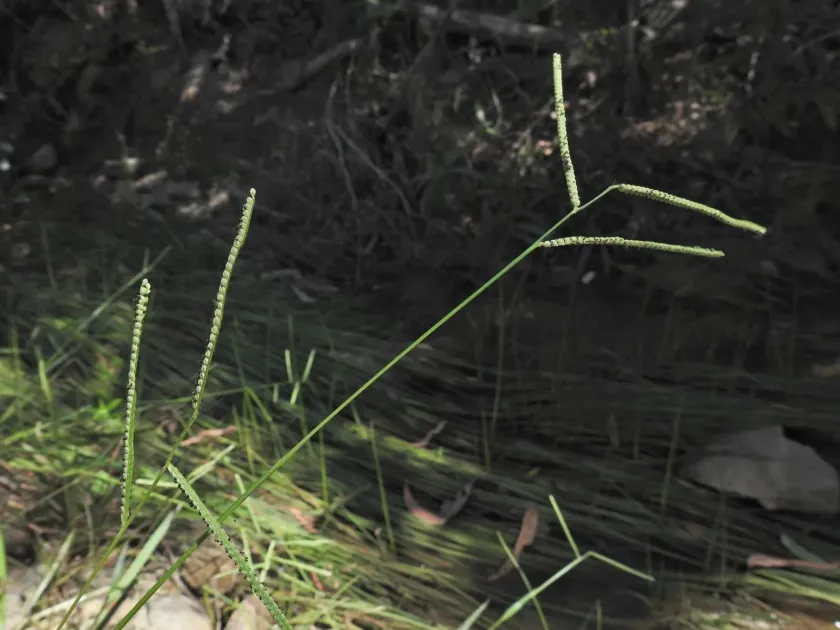
Description
Sowing dates
Paspalum deightonii is a tropical perennial grass that thrives in regions with distinct rainy seasons. The ideal planting time is at the onset of the monsoon or the rainy season to ensure sufficient soil moisture for germination.
Sowing should take place when the soil temperature consistently reaches 20 to 25 degrees Celsius. It is crucial to finish planting before the onset of the dry season, allowing the root system to become established in the soil.
The crop is typically sown in rows with a spacing of about 30 centimeters. Because the seeds are small, they require shallow sowing to ensure proper emergence and to prevent the seedlings from being smothered by excessive soil.
Vegetative propagation via root division is also a common and effective method for establishing dense stands, especially when restoring pasture land. This approach ensures more rapid coverage compared to seeding.
After establishment, it is important to limit livestock grazing in the early months. Providing sufficient time for the plants to develop a strong root system is key to long-term pasture productivity.
Growing requirements
Belonging to the Poaceae family, Paspalum deightonii is biologically optimized for tropical climates. It requires full sunlight to achieve maximum growth and performs poorly in shaded areas.
The species shows remarkable adaptability to various soil types, ranging from acidic to heavy clay soils typical of many tropical regions. However, it achieves the highest productivity on fertile, well-drained soils.
Temperature is a critical factor, as this grass is sensitive to frost and cold nights. It requires a stable tropical environment to remain productive throughout the year, with a preference for high humidity.
The plant benefits significantly from nitrogen-based fertilizers, which stimulate leaf production and biomass accumulation. Potassium and phosphorus are also essential to support root health and winter resilience.
Management of the grazing or cutting schedule is essential to prevent the stems from becoming lignified. Regular harvesting keeps the grass in a vegetative stage, which is optimal for forage quality.
Yield
Paspalum deightonii offers high yield potential, making it an excellent candidate for tropical forage production. The green biomass is highly palatable to livestock, serving as a reliable source of nutrition.
Under optimal management, multiple cuts per growing season are possible. The quality of the forage is highest when harvested just before the flowering stage, ensuring an ideal balance of protein and fiber.
The grass is well-suited for hay production or ensiling, provided that the drying process is managed correctly. This allows farmers to stockpile feed for periods of lower growth.
Due to its dense turf-forming habit, it is highly resistant to grazing pressure. It recovers quickly after being grazed, making it a sustainable choice for permanent pasture systems.
With regular maintenance and proper fertilization, the productivity of the stands can be maintained at a high level for over a decade, providing long-term economic benefits.
Main diseases and pests
Like many tropical grasses, Paspalum deightonii can be susceptible to fungal pathogens, particularly during periods of extreme humidity. Leaf spot diseases are common and can reduce the nutritional quality of the forage.
Rust diseases may occur if the stand becomes too dense, which restricts airflow around the plants. Managing the stand density is a key preventative measure to minimize disease outbreaks.
Various insect pests can target the stems and root systems, especially during the seedling stage. Monitoring the health of the stand is essential to prevent significant yield losses from these stressors.
Pest and disease management primarily focuses on sound agronomic practices, such as proper grazing rotation and timely mowing. Chemical control is rarely necessary except in severe infestation cases.
Overall, the plant’s natural vigor often allows it to overcome minor pathogen issues if the soil fertility and moisture levels are correctly maintained.