
Paraserianthes lophantha
Paraserianthes lophantha
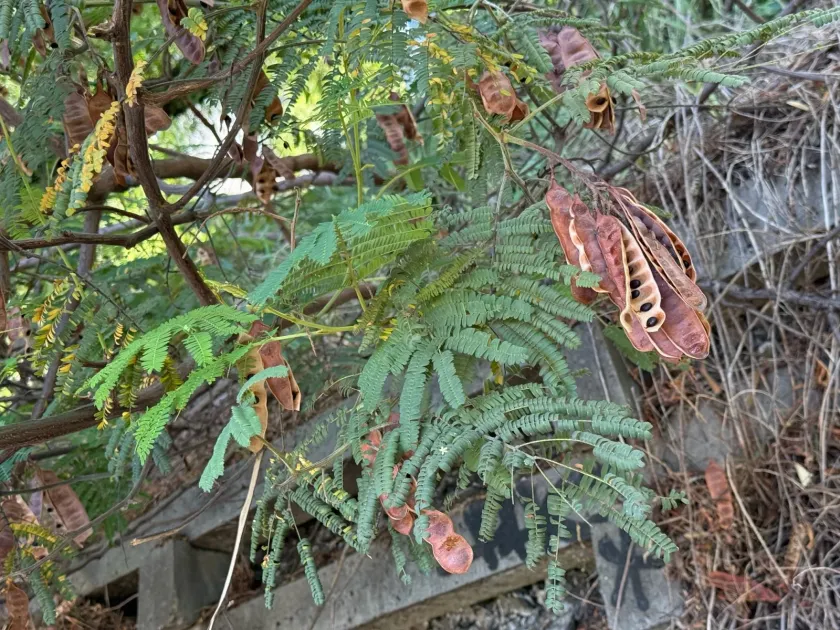
Description
Sowing dates
Paraserianthes lophantha is a fast-growing species that is primarily propagated via seeds, which require specific preparation due to their hard, impermeable seed coats.
To ensure successful germination, seeds should be scarified by mechanical abrasion or hot water treatment to break dormancy and allow water uptake.
Sowing is typically performed in a sterile, well-draining seed starting mix at a depth of approximately 0.5 to 1 centimeter under controlled greenhouse conditions.
The optimal germination temperature range is between 20°C and 25°C, usually resulting in seedling emergence within a period of two to four weeks.
Once seedlings develop true leaves and reach a robust size, they are transplanted into individual containers to develop a strong root system before final field placement.
Growing requirements
Belonging to the Fabaceae family, this species is native to Western Australia and thrives in warm, temperate to subtropical environments with mild winters.
The plant prefers well-drained, sandy or loamy soils and exhibits high sensitivity to waterlogged conditions, which can lead to root rot and significant physiological stress.
It requires full sun exposure to maintain its rapid growth rate and produce its characteristic dense foliage and vibrant, brush-like inflorescences.
The species is notably sensitive to frost, necessitating protection or indoor cultivation in regions where winter temperatures drop below freezing levels.
Agronomic management involves periodic irrigation during the growing season and balanced fertilization, avoiding high phosphorus levels which the species may negatively react to.
Yield
The primary utility of Paraserianthes lophantha is ornamental landscaping, where its rapid growth and unique aesthetics make it a popular choice for garden focal points.
Beyond aesthetics, the plant provides significant ecological benefits through atmospheric nitrogen fixation, which assists in enriching nutrient-poor soil profiles.
It serves as an excellent candidate for windbreak plantings and rapid greening projects in urban or industrial areas where quick canopy development is required.
Its biomass production is notable, making it potentially useful for sustainable agroforestry initiatives aimed at short-rotation woody crop systems in suitable climates.
The tree’s ability to adapt to diverse soil types and its rapid response to management practices make it a valuable asset for land rehabilitation and soil stabilization.
Main diseases and pests
The plant is susceptible to common greenhouse and garden pests, most notably spider mites and mealybugs, which thrive in low-humidity environments.
Fungal pathogens represent the most significant threat, especially when soil moisture is poorly managed, leading to root rot diseases like Phytophthora.
Leaf-chewing insects may occasionally cause aesthetic damage, requiring a vigilant monitoring program to prevent large-scale defoliation during the peak growth season.
Improving air circulation and ensuring proper spacing between individuals are fundamental strategies for mitigating the spread of fungal and bacterial infections.
Regular monitoring of leaf surfaces and stem health allows for early detection of issues, enabling prompt implementation of integrated pest management practices.