
Paractaenum novae-hollandiae
Paractaenum novae-hollandiae
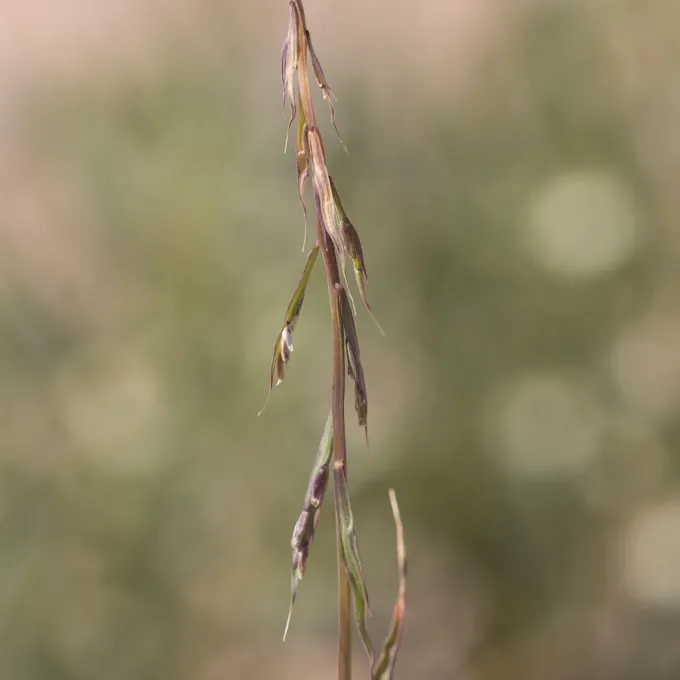
Description
Growing requirements
Paractaenum novae-hollandiae is a robust perennial grass belonging to the Poaceae family. Primarily native to the arid regions of Australia, this species is highly valued for its ability to thrive in poor soils and under conditions of extreme moisture stress where other forage crops typically fail.
Botanically, the plant features a dense clumping growth habit which protects the soil surface from wind erosion. Its narrow leaves are xerophytic, meaning they are adapted to minimize water loss through transpiration, allowing the plant to remain green during long dry spells that would scorch more temperate grasses.
Regarding climatic requirements, it favors environments with high solar radiation and significant thermal accumulation. It prefers well-drained sandy or loamy soils, as these textures facilitate deep root penetration, which is the primary survival strategy of this species in semi-arid ecosystems.
Agricultural management is relatively low-input, focusing on sustainable grazing practices. Proper stocking rates are critical; overgrazing during the establishment phase can drastically reduce the longevity of the stand, whereas controlled management encourages healthy root development and biomass recovery.
The primary economic use of Paractaenum novae-hollandiae is as a resilient forage source in rangelands. It serves as a vital component of livestock nutrition during the off-season, filling the feed gap when more productive but less hardy perennial species go dormant or wither under heat stress.
Main diseases and pests
Pathogen risks are generally low due to the plant's natural adaptation to its habitat. However, rust fungi can occur during unseasonably wet periods. Effective prevention involves ensuring proper plant spacing and avoiding stagnant air conditions within the pasture canopy.
In terms of pests, locusts and native grasshoppers pose the most significant threat to biomass yield. Integrated pest management strategies, including the maintenance of diverse predator populations such as birds and beneficial insects, are generally sufficient to manage populations below economic threshold levels.