
Papaver fauriei
Papaver fauriei
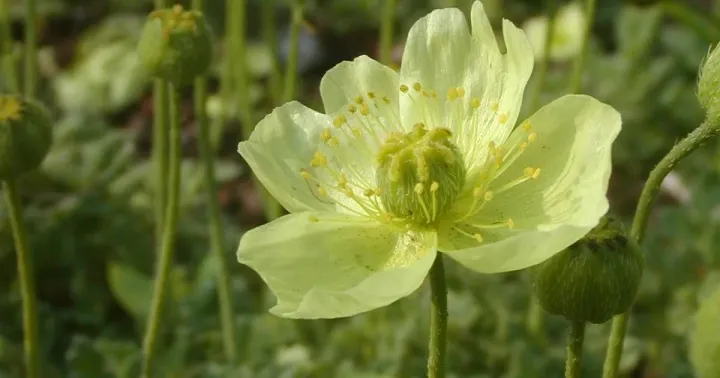
Description
Sowing dates
Papaver fauriei is a distinct species belonging to the Papaveraceae family, naturally occurring in alpine environments. Its lifecycle is finely tuned to short, intense growth seasons.
Propagation is typically initiated through seeds, which require stratification to break dormancy. Sowing should be performed in early spring to leverage the natural cooling cycle.
Seeds are minute and must be surface-sown or covered with a very thin layer of substrate. Exposure to light is a critical trigger for germination in this specific poppy variety.
Careful seedbed preparation is essential to ensure consistent emergence. The optimal distance between rows allows for adequate air movement and reduces the risk of overcrowding.
Seedling growth is delicate in the early stages; therefore, maintaining consistent but not excessive moisture is vital until the plants have established a robust root system.
Growing requirements
This crop thrives in well-drained, gritty, or sandy soils. Soil aeration is paramount, as the species is highly susceptible to root decay in heavy, waterlogged conditions.
Full sun exposure is a non-negotiable requirement for Papaver fauriei. Any shade or competing vegetation will lead to weak, elongated growth and reduced flowering potential.
The species prefers neutral to slightly alkaline soil pH. Fertile, nitrogen-rich soils are generally avoided to prevent lush vegetative growth that is prone to lodging.
Temperature management involves protecting the plants from excessive heat waves. In its native habitat, the plant experiences cool nights, which should be mimicked in cultivation if possible.
Low humidity levels are preferred once the plant reaches maturity, as dry air helps prevent the proliferation of pathogenic fungi on the foliage.
Main diseases and pests
Root rot remains the primary threat to Papaver fauriei under cultivation. It is usually caused by over-irrigation or inadequate drainage in the growing medium.
Aphids are the most common insect pests, capable of forming large colonies on the tender shoots and leaves, which extracts vital plant nutrients.
Powdery mildew can manifest as a white dusting on leaves, especially when air circulation is poor and humidity levels spike during the vegetative growth phase.
Seed-feeding insects present a significant risk by boring into the developing capsules, thereby destroying the seed yield before the harvest stage.
Integrated pest management, including regular inspection and the use of targeted biological controls, is highly recommended over broad-spectrum pesticide application.
Harvesting
Harvesting of Papaver fauriei for seeds must occur once the capsules have fully matured and hardened, usually signaled by a change in color and the dryness of the stem.
The timing of the harvest is critical; delayed harvesting may lead to natural seed dispersal, as the capsules open at the top when fully dry.
Capsules should be collected on a dry day to prevent mold development during the post-harvest drying and storage phase.
After collection, the material is threshed to separate the tiny seeds from the capsule debris, often involving manual or gentle mechanical cleaning methods.
Properly dried seeds must be stored in cool, dark, and dry conditions to maintain viability for the following sowing season.