
Panda oleosa
Panda oleosa
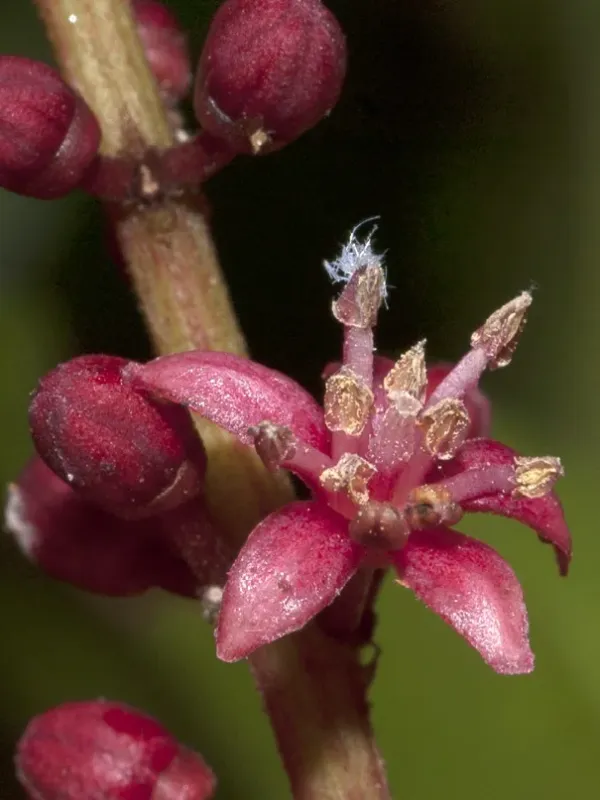
Description
Growing requirements
Panda oleosa is a large evergreen tree belonging to the Pandaceae family. As a typical representative of the equatorial African rainforest flora, it thrives in wild conditions, often reaching heights of over 20 meters.
The crop has extremely high requirements for air humidity and soil moisture. Optimal conditions for vegetation include an average annual temperature above 24-26 degrees Celsius with minimal diurnal fluctuations and abundant rainfall distributed evenly throughout the year.
The plant prefers deep, humus-rich loamy soils with excellent drainage. It struggles with both prolonged waterlogging and short dry spells, which strictly limits its potential cultivation area to the equatorial zone.
Botanically, the species is characterized by dense, leathery leaves and specific drupe-like fruits containing seeds with a high percentage of fatty oils. Its shallow root system requires protection from direct sunlight and soil overheating.
In industrial or farm settings, the plant requires artificial shading during its juvenile stages and protection from strong winds. Growth is relatively slow, which is a critical factor for plantation productivity planning.
Yield
The agricultural value of Panda oleosa lies in its oily seeds. The fruits have a hard shell protecting an oil-rich kernel, which has been traditionally used by local communities for food and various technical applications.
Panda oil is valued in the cosmetic and food industries due to its unique fatty acid profile. Yields depend heavily on tree planting density and the amount of precipitation during the fruit-set season.
Harvesting is primarily manual, as mechanization is complicated by terrain challenges and the significant height of the trees. Post-harvest processing typically involves fermentation or drying to facilitate the separation of seeds from the pulp.
Proper storage is essential, as high seed moisture content during inadequate drying leads to rapid fungal contamination. Standardization of harvesting processes is crucial for obtaining high-quality raw materials for subsequent industrial use.
The potential for large-scale cultivation as an industrial oil source remains limited due to its status as a wild-growing species, with domestication efforts currently confined to small-scale trials in West African countries.
Main diseases and pests
Major threats to the crop are associated with fungal diseases that thrive in the high humidity of the tropical climate. Infections of the bark and root system, such as those caused by Phytophthora species, can lead to tree death.
Pests that attack fruits and leaves include various species of tropical weevils and leaf beetles. They can significantly reduce the marketable value of the harvest by penetrating the ovaries during the early stages of fruit development.
The disturbance of the natural forest ecosystem often leads to the migration of pests into artificial plantations. Control measures are difficult due to the inability to apply harsh chemical pesticides near sensitive natural water sources.
Disease prevention is based on careful site selection with good crown aeration and the removal of infected plant debris. Maintaining proper spacing between trees also helps to mitigate the spread of infections.
Ecological stress caused by human activities makes Panda oleosa increasingly vulnerable to phytopathogens, requiring agronomists to maintain strict monitoring of the overall health of the plantations.