
Winter fat
Krascheninnikovia ceratoides (L.) Gueldenst.
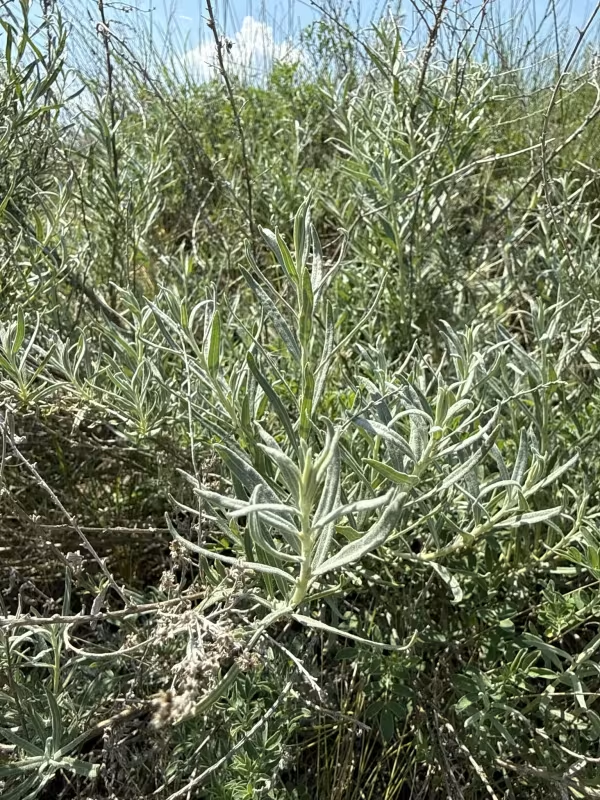
Description
Sowing dates
Winter fat is a perennial subshrub belonging to the Amaranthaceae family, highly valued for its ability to thrive in arid environments. Sowing is best performed in early spring as soon as soil temperatures allow for germination.
Seeds should be planted at a shallow depth of approximately 1–2 centimeters. Proper soil contact through light rolling after planting is essential to ensure consistent emergence of the seedlings.
For establishing managed pastures, a wide-row spacing of 60 to 90 centimeters is recommended. This spacing reduces competition for soil moisture and allows the extensive root system to develop properly.
In cases of rangeland restoration, broadcast seeding can be effective when followed by harrowing to cover the seeds. Initial growth is slow, so weed control during the establishment year is critical for success.
Selecting high-quality, viable seeds is an important factor. Proper site preparation, including minor soil loosening, significantly improves the chances of successful crop establishment.
Growing requirements
This plant is exceptionally drought-tolerant and requires full sun to thrive. It is extremely sensitive to shading and will not persist in areas where it is overtopped by other vegetation.
It prefers well-drained soils, including rocky, sandy, and saline substrates. Its deep taproot system allows it to survive in regions where other forage species fail due to water scarcity.
Winter fat is well-adapted to environments with hot, dry summers and cold, harsh winters. It possesses high frost resistance and can survive temperatures well below freezing.
While the plant is known for growing in poor soils, it responds positively to favorable conditions by increasing biomass production. It is essentially self-sufficient and rarely requires supplemental fertilizers.
Good soil aeration is beneficial for the root system, so avoiding waterlogged or compacted soils is crucial for the long-term health and productivity of the stands.
Yield
Yields of forage vary depending on the climatic zone and management practices. On average, the dry matter production is sufficient to provide a significant energy source for livestock.
The nutritional profile of Winter fat is high, characterized by substantial levels of crude protein and vitamins. It remains a preferred grazing plant even after the growing season ends.
Animals find the plant palatable throughout the year, including late autumn and winter. This makes it an invaluable resource for rangeland managers looking to extend the grazing season.
Proper grazing management is necessary to maintain high yields over time. Rotational grazing allows the plants to recover and ensures that the stand remains productive for many years.
Seed production is generally reliable, which helps in self-sustaining the population or collecting seeds for expanding the forage area. This plant remains a vital component of arid-land fodder systems.
Main diseases and pests
Winter fat is a robust plant, though it can be susceptible to fungal diseases such as rust or powdery mildew if the air humidity remains unusually high for an extended period.
Pests like grasshoppers can cause significant damage during population outbreaks, particularly to young, vulnerable stands. Monitoring these populations is key to preventing widespread loss.
Overgrazing is the greatest threat to the longevity of the plant stands. Reducing grazing pressure during the recovery phase allows the root system to store energy for the next growing season.
Weed competition during the first year is the most common cause of failure in new plantings. Timely removal of competing plants ensures the crop gains enough vigor to survive independently.
Maintaining a balanced ecosystem on the range helps keep pest populations under control naturally, reducing the need for chemical intervention in rangeland management.
Harvesting
Harvesting for hay should occur during the peak flowering stage to capture the best nutritional value. Using a mower set at an appropriate height preserves the basal buds for regrowth.
Drying the harvested material is typically efficient due to the naturally arid conditions of the growing environment. This produces a high-quality forage that stores well without spoilage.
Seed harvesting should be timed carefully when seeds turn grey or brownish. Combining two-phase harvesting (cutting and then threshing) helps manage the issue of uneven ripening.
After collection, seeds must be cleaned and dried to a moisture content of about 10–12 percent for safe storage. Proper storage containers prevent moisture absorption and maintain viability.
Winter fat hay serves as an excellent supplemental winter feed. Its ability to maintain nutrient content in dry conditions makes it a premium asset for livestock survival in cold climates.