
Yunnan peony
Paeonia yunnanensis
Description
Growing requirements
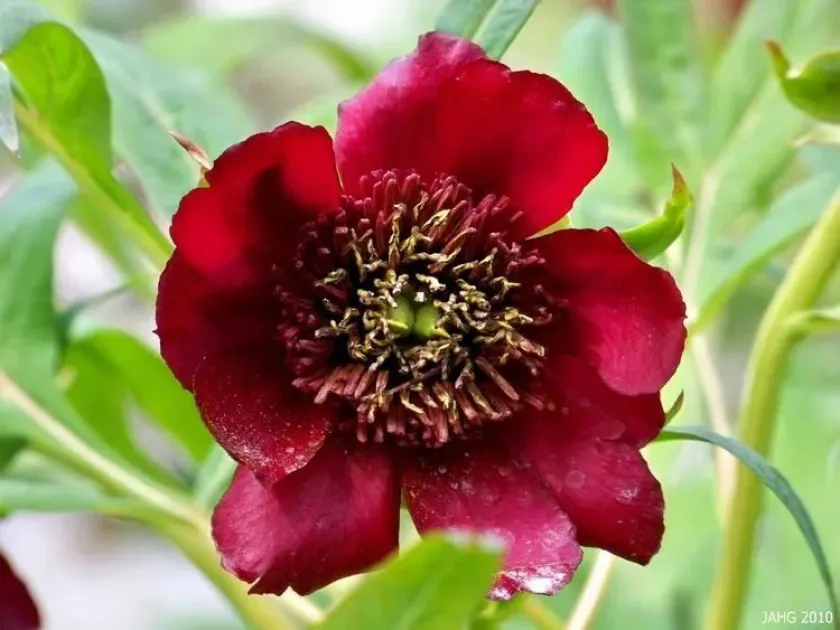
The Yunnan peony (Paeonia yunnanensis) is an herbaceous perennial plant belonging to the Paeoniaceae family. It is native to the high-altitude mountainous regions of Yunnan Province, China, where it typically thrives on rocky slopes and within light forest canopy areas.
This species is known for its elegant habit and specific environmental needs. Unlike common garden hybrids, this peony prefers well-drained, loamy, or rocky soil with a pH ranging from neutral to slightly acidic, mimicking its natural habitat.
The climate requirements for Paeonia yunnanensis involve a preference for cool temperatures and a distinct seasonal cycle. Exposure to excessive summer heat or intense direct sunlight can stress the plant, making a spot with partial shade or filtered light highly recommended.
Effective drainage is the cornerstone of its agricultural management. Root rot is a common issue for this species when planted in heavy or waterlogged soils, making it essential to incorporate a gravel layer to ensure proper moisture management.
Agricultural care for this peony also includes consistent mulching, which helps stabilize soil temperature and keeps the root zone sufficiently moist during the growth season while preventing surface evaporation.
Main diseases and pests
The primary threats to Paeonia yunnanensis are fungal pathogens, specifically gray mold (Botrytis). This disease often manifests during periods of prolonged high humidity and poor air circulation, causing damage to stems and developing buds.
Root-knot nematodes are among the most persistent pests affecting peonies, potentially hindering development and leading to stunted growth. Using certified, disease-free stock and avoiding infested soil are the most effective management strategies.
Foliar diseases, including various leaf spot fungi, can occur during the humid summer months. Regular inspection and the prompt removal of affected foliage are recommended to prevent the spread of spores throughout the entire planting site.
Aphids and other sap-sucking insects can cause indirect harm by weakening the plant and creating wounds that facilitate secondary fungal infections. Implementing integrated pest management helps keep these populations below the damage threshold.
Cultivators must prioritize spacing to ensure adequate air circulation around each plant. This simple cultural practice is vital for reducing the risk of disease outbreaks and promoting a healthy, productive growing environment.