
Sichuan peony
Paeonia szechuanica
Description
Growing requirements
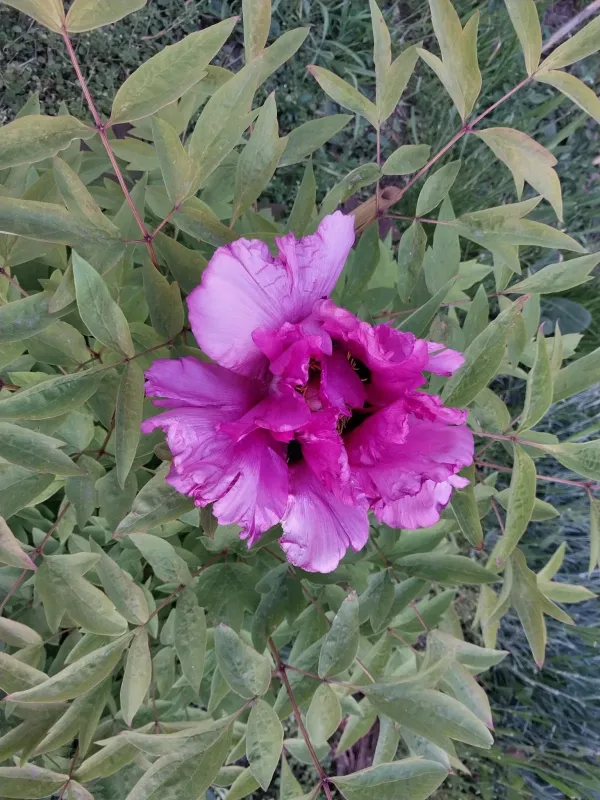
Sichuan peony (Paeonia szechuanica) is a rare herbaceous perennial species belonging to the Paeoniaceae family. It is native to the high-altitude mountainous regions of Sichuan province, China, where it thrives in cool, alpine forest environments.
For successful cultivation, this species requires well-drained, nutrient-rich soil with a neutral to slightly acidic pH. It performs best in areas that offer partial shade and protection from harsh midday sun, simulating its natural habitat under a forest canopy.
Botanically, the plant is characterized by robust root stocks, erect stems, and deeply lobed foliage. It is highly adapted to short, intense growing seasons and exhibits high cold tolerance, which is essential for surviving the mountainous winters of its origin.
The plant has significant value in traditional medicine and botanical research. Its roots are recognized for specific phytochemical properties, making it a subject of interest for both pharmacological study and as a genetic resource for breeding programs.
Agrotechnical maintenance involves diligent soil management, focusing on proper aeration and moisture control to prevent root rot. Proper mulching is recommended to maintain soil temperature stability and prevent the drying out of the root zone during warmer periods.
Main diseases and pests
The most common biological threats to the Sichuan peony include fungal pathogens such as Botrytis (gray mold), which typically emerge during periods of prolonged high humidity and lack of proper air circulation.
Pest management should focus on monitoring for common threats such as aphids and nematodes. These pests can significantly weaken the plant, making it more susceptible to environmental stress and limiting the development of both root and foliage biomass.