
Potanin's peony
Paeonia potaninii
Description
Growing requirements
Potanin's peony (Paeonia potaninii) is a species of herbaceous or semi-woody peony belonging to the Paeoniaceae family. It is native to the mountainous regions of China, specifically within the Sichuan and Yunnan provinces, where it grows in alpine meadows and shrubby slopes.
This species requires well-drained, nutrient-rich soil with a slightly alkaline to neutral pH. It is crucial to prevent waterlogging, as the fleshy root system of the plant is highly susceptible to root rot if subjected to excess moisture for prolonged periods.
Regarding climate, the plant exhibits excellent cold tolerance, making it suitable for temperate regions. It thrives best in locations that provide plenty of sunlight, though it can tolerate light shade during the hottest hours of the day in warmer climates.
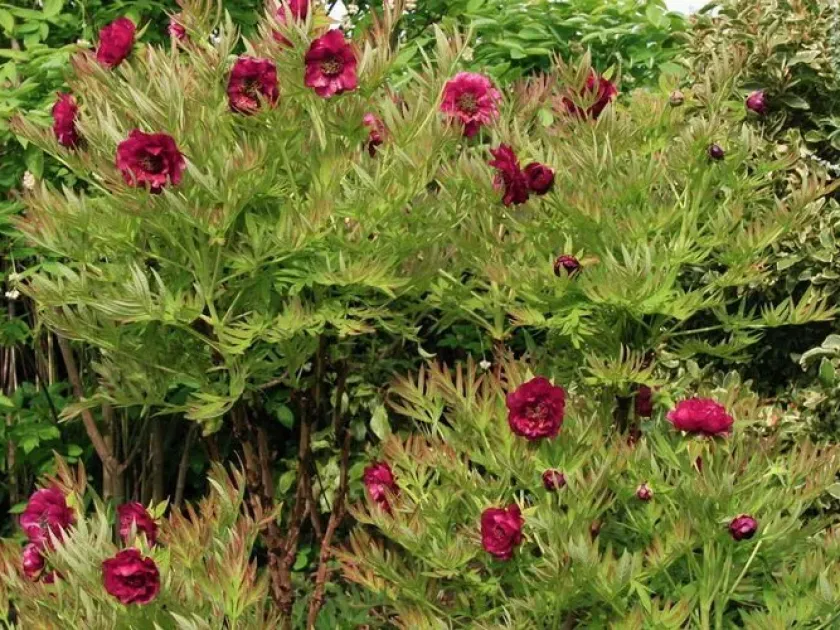
Botanically, it is a small shrubby plant growing up to 80 cm tall. Its foliage is deeply divided, and it produces distinct, often cup-shaped flowers that appear in late spring, providing high ornamental value for rock gardens and borders.
For successful cultivation, gardeners should apply a layer of mulch in the autumn to regulate soil temperature. Regular application of potassium-phosphorus fertilizers after flowering promotes better root development for the subsequent season.
Main diseases and pests
The primary threat to Paeonia potaninii is Botrytis blight, a fungal disease that thrives in cool, humid conditions. This pathogen attacks stems and leaves, causing dark lesions and eventually leading to the collapse of the plant parts.
Powdery mildew may occur if air circulation is inadequate. Maintaining proper spacing between plants is an essential agronomic practice to reduce the humidity around the foliage and prevent the spread of fungal spores.
Insect pests such as scale insects and aphids can cause damage by feeding on the sap of young shoots and buds. Monitoring for these pests is essential, especially during the early stages of the growing season when new growth is tender.
In addition to pests, nematodes can infest the roots, causing stunted growth and poor flowering. If root infestation is suspected, it is recommended to replace the soil and treat the area with appropriate nematicides.
Effective management of these threats involves a combination of cultural practices, such as removing debris and infected material, and chemical control when environmental conditions favor the rapid proliferation of pathogens.