
Paederota bonarota
Paederota bonarota
Description
Growing requirements
Paederota bonarota is a perennial herbaceous plant belonging to the Plantaginaceae family. Originally native to the eastern Alps, it typically grows on calcareous rocky outcrops and screes, which dictates its specific environmental preferences in a cultivated landscape.
The plant thrives in well-drained, alkaline, or neutral soils with significant limestone content. Agricultural success depends on providing excellent drainage, as waterlogged conditions during dormancy can easily lead to root rot and total loss of the specimen.
As a true alpine species, it requires a cool climate with high sunlight exposure. It performs poorly in hot, humid lowland environments, making it a specialist plant best suited for rock gardens, troughs, or alpine houses where microclimate conditions can be strictly controlled.
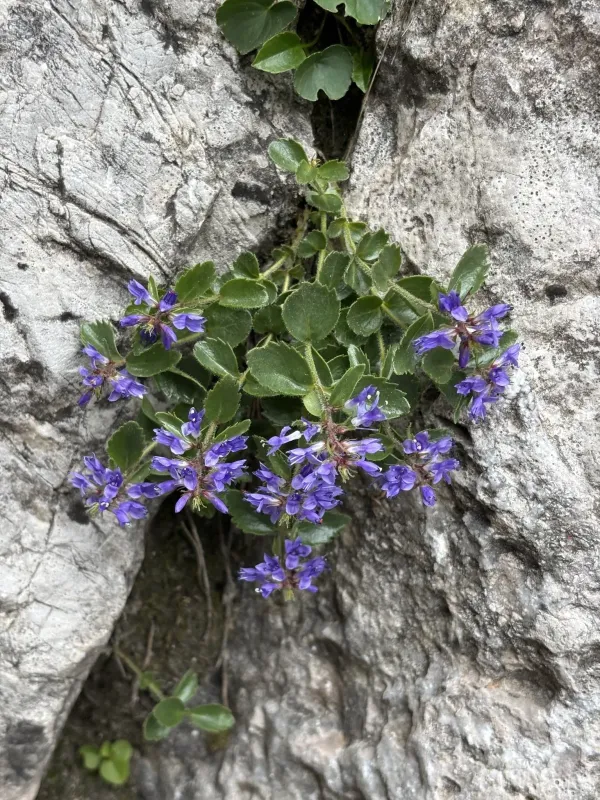
Botanically, it is characterized by its opposite, ovate-serrated leaves and spikes of intense violet-blue flowers. The growth habit is compact and cushion-forming, contributing to its aesthetic value in specialized horticultural displays and botanical collections.
The primary use of this crop is ornamental. It is a prized choice for rock garden enthusiasts and collectors of high-altitude flora. Its ability to colonize crevices makes it an excellent candidate for the vertical elements of rock wall plantings.
Main diseases and pests
The most common threats are fungal pathogens, specifically those causing crown rot. These often arise from excessive humidity and poor air circulation around the base of the plant during the growing season.
Slugs and snails are major pests, especially during the spring growth phase. These gastropods find the succulent leaves highly palatable and can cause significant damage in a short period, requiring vigilant monitoring and physical barriers.
Spider mites may affect the plant during prolonged dry spells or in poorly ventilated greenhouses. Keeping the surrounding environment slightly cooler and maintaining moderate airflow can help mitigate the risks of infestation.
Weed competition is a significant threat to its vigor; as a slow-growing alpine species, it cannot compete with aggressive weeds. Regular hand-weeding and the application of a grit mulch around the base are standard protective practices.
Nutrient deficiency may appear as leaf chlorosis, especially in pot-grown plants. Using a balanced, low-nitrogen liquid fertilizer formulated for alpine plants, applied during the active growing phase, ensures the plants remain robust and disease-resistant.