
Pachyveria scheideckeri
Pachyveria scheideckeri
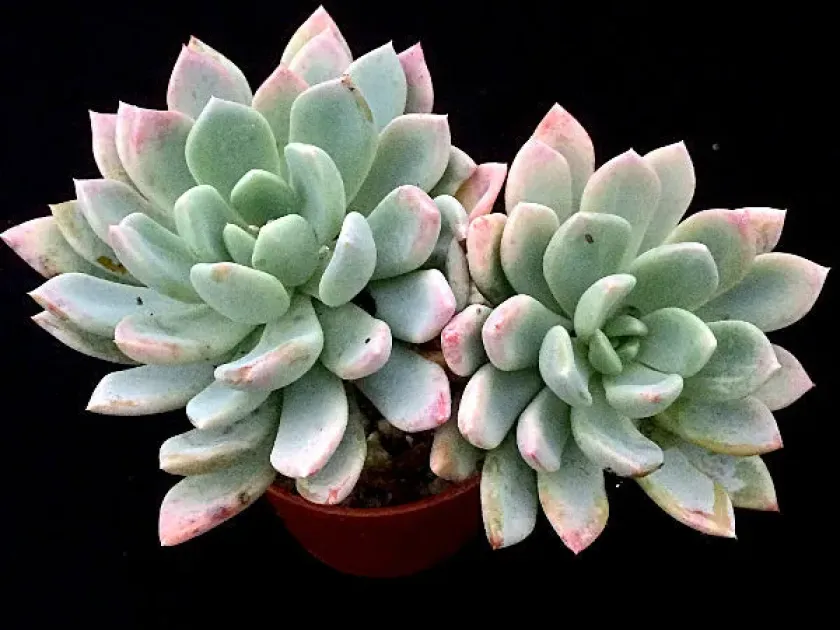
Description
Growing requirements
Pachyveria scheideckeri is a beautiful intergeneric hybrid belonging to the Crassulaceae family, specifically bred for its ornamental rosette structure.
This succulent originates from careful cross-breeding and thrives in environments that mimic its semi-arid native habitat with excellent drainage.
Lighting is the most critical factor for this culture; it requires direct or very bright indirect sunlight to maintain its compact shape and vibrant coloration.
The potting medium must be porous and inorganic-heavy, ideally using a dedicated cactus mix amended with perlite, pumice, or coarse sand for maximum aeration.
During the growing season, deep but infrequent watering is recommended, ensuring the soil is entirely dry before the next hydration cycle begins.
Main diseases and pests
The primary agricultural threat to Pachyveria scheideckeri is overwatering, which predisposes the plant to fungal rot of the stems and roots.
Mealybugs are the most common pest found on this species; they tend to cluster in the tight spaces between leaves and at the base of the rosette.
Spider mites may also appear in dry, hot conditions, leaving fine webs that damage the epidermis of the succulent leaves, significantly reducing aesthetic quality.
Management involves strict quarantine of new plants, regular inspection of leaf bases, and the targeted application of insecticides or neem oil when necessary.
Proper air circulation is essential to prevent micro-climates that favor pest colonization and fungal outbreaks in indoor growing environments.