
Oxypetalum solanoides
Oxypetalum solanoides Hook. & Arn.
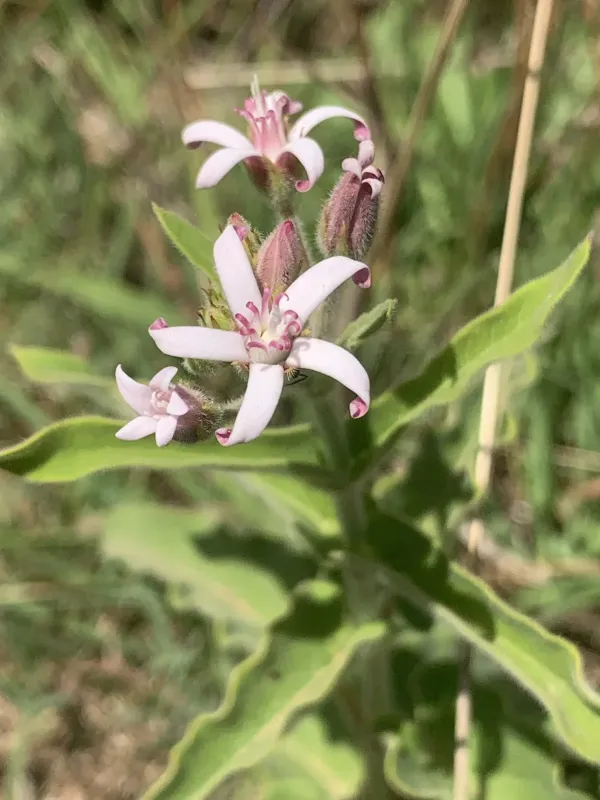
Description
Sowing dates
The propagation of Oxypetalum solanoides is primarily carried out by seeds, which should be sown in late winter or early spring. Using a high-quality seed starting mix ensures better germination rates for this delicate species.
Maintain a stable temperature of approximately 20–22°C (68–72°F) for consistent sprouting. The seeds should be lightly covered with a thin layer of substrate and kept moist but not waterlogged.
Once the seedlings develop their first true leaves, they should be carefully pricked out into individual small pots. This stage is crucial for developing a strong root system before the final planting.
Acclimatization to outdoor conditions is necessary before transplanting. Move the pots outside gradually over a period of 7 to 10 days to help the plant adapt to sunlight and wind.
Final transplanting to the garden or a larger permanent container should only occur after all risks of frost have passed and soil temperatures have stabilized.
Growing requirements
Belonging to the Apocynaceae family, Oxypetalum solanoides thrives in full sun exposure. It requires bright, indirect to direct light to bloom effectively throughout the growing season.
The ideal soil is sandy, well-draining, and rich in organic matter. Avoid heavy clay soils that retain moisture, as they often lead to root decay in this specific plant variety.
Watering should be consistent throughout the summer months. However, the plant enters a period of dormancy in autumn, during which water intake must be significantly reduced to prevent rot.
Regular fertilization with a balanced, water-soluble fertilizer is recommended every two weeks during the active growth period to support the production of its characteristic blooms.
Protection from strong winds is highly recommended, as the stems of the plant can be brittle. Growing it in containers or sheltered garden spots is common practice for optimal results.
Main diseases and pests
Spider mites are the most common pest to watch for, especially during hot and dry summer weather. Regularly misting the plant or increasing humidity can help prevent infestations.
Aphids tend to congregate on the soft, succulent tips of new growth. Early detection and the use of insecticidal soap or neem oil are usually effective in controlling these pests.
Root rot is the primary physiological threat caused by poor drainage. Ensuring the pot has proper drainage holes and that the soil is not overly dense is the best prevention method.
Powdery mildew may occur if air circulation is insufficient. To mitigate this, ensure plants are spaced properly and avoid overhead watering that keeps the foliage wet for too long.
As a member of the Apocynaceae family, the plant secretes a milky latex if damaged. Always wear protective gloves when pruning or handling the plant to avoid skin or eye irritation.