
Chilean oxalis
Oxalis adenophylla
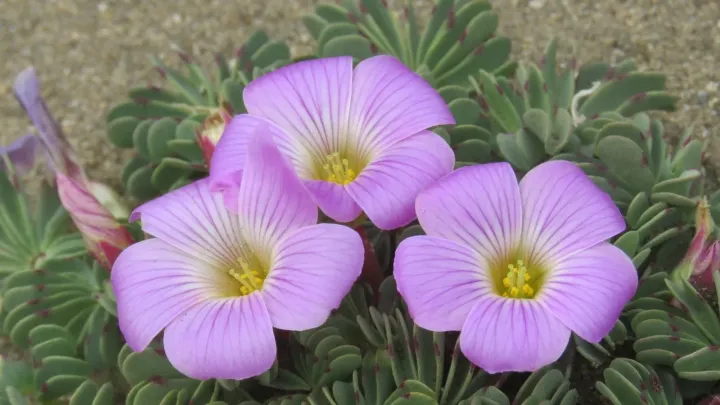
Description
Sowing dates
The planting of Oxalis adenophylla should occur in early spring once the risk of severe ground frost has passed, typically between April and May depending on the local climate.
Bulbs or offsets should be placed in well-prepared soil at a depth of 5-8 centimeters, ensuring a spacing of at least 10-15 centimeters between each plant to avoid overcrowding.
For optimal results, select a planting site that receives full morning sun but offers some protection from the intense afternoon heat during mid-summer months.
Propagation is most efficiently achieved by dividing the bulb clusters during the dormant period, which allows for the rejuvenation of the root system and promotes vigorous growth.
After planting, the area should be lightly watered and top-dressed with grit or fine gravel to protect the delicate foliage from direct contact with wet soil surfaces.
Growing requirements
Oxalis adenophylla, a member of the Oxalidaceae family, originates from the Andes of Chile and Argentina, making it highly suited for alpine gardens and rockeries.
The species requires extremely free-draining soil; heavy clay soils should be amended with organic matter and horticultural grit to prevent winter waterlogging, which is fatal to the bulbs.
In terms of climate, it is hardy but demands a dry dormancy period, which means that excessive winter precipitation must be managed through proper drainage or protective covering.
During the active growing season, consistent moisture is beneficial, but the soil must never remain waterlogged, as this rapidly induces crown rot and other fungal pathogens.
This plant thrives in environments that mimic its natural mountain habitat, characterized by cool, well-ventilated conditions and high levels of ambient light exposure.
Main diseases and pests
Root rot caused by poor soil drainage and stagnant moisture is the primary threat to the health and longevity of Oxalis adenophylla plantings in garden settings.
Pests such as aphids and spider mites may occasionally infest the dense foliage, especially when the plant is under stress from high temperatures or drought conditions.
Slugs and snails can also cause significant damage to the plant, particularly during wet spring weather when new foliage is tender and vulnerable to grazing.
Regular inspection is advised to detect early signs of fungal infections, such as grey mold, which can spread rapidly in humid, poorly ventilated microclimates.
Implementing a preventive maintenance program, including the removal of dead leaves and the use of targeted pest control, is essential for maintaining a healthy and robust colony.