
Ougeinia oojeinensis
Ougeinia oojeinensis
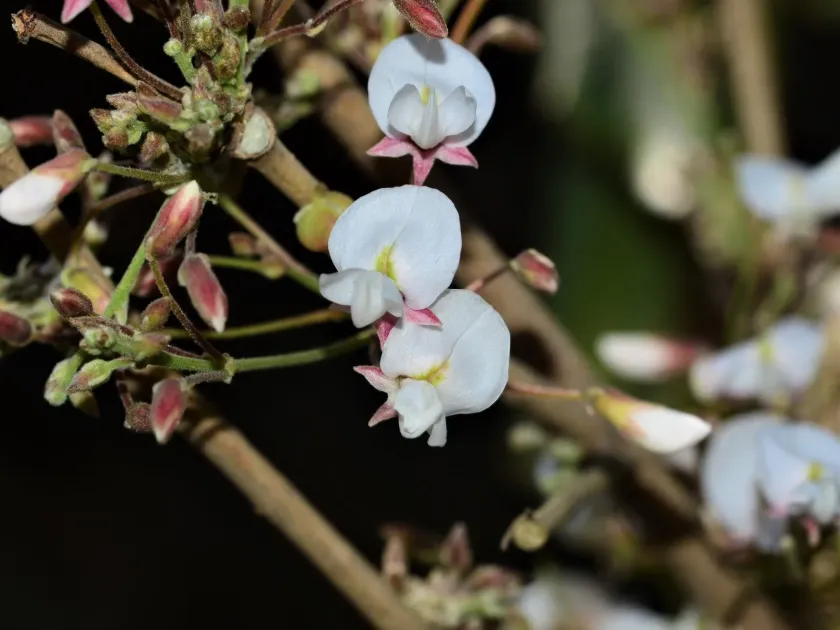
Description
Growing requirements
Ougeinia oojeinensis, commonly known as the Sandan tree, belongs to the Fabaceae family. It is a deciduous tree native to the Indian subcontinent, well-regarded for its adaptability to various environments.
This species thrives in tropical monsoon climates, characterized by a distinct dry season. It is remarkably drought-tolerant, making it a suitable choice for restoration of dry, degraded forest lands.
Regarding soil preferences, it is quite versatile. It grows effectively on a range of soils including stony, gravelly, and well-drained loam. However, it avoids waterlogged conditions, which can impede root development.
A key biological feature of Ougeinia oojeinensis is its ability to fix atmospheric nitrogen. This capacity enriches the soil and supports the growth of other plants within agroforestry systems.
Agricultural management begins with proper site selection. The tree prefers open spaces with sufficient sunlight. Once established, it requires minimal maintenance, demonstrating high resilience to environmental stressors.
Yield
The primary yield of Ougeinia oojeinensis is its high-quality timber. The wood is exceptionally hard, durable, and resistant to termites, making it ideal for high-end carpentry and construction.
Leaves of the tree serve as a crucial fodder source for livestock. They contain high levels of protein and minerals, providing significant nutritional value during periods of pasture shortage.
The bark of the tree contains tannins used in tanning leather and various traditional medicines. These secondary products contribute to the overall economic viability of cultivating this species.
In silvopastoral systems, the tree is managed for both timber harvest and leaf production. Sustainable harvesting techniques ensure a continuous cycle of biomass renewal for rural communities.
The overall yield and quality are enhanced through selective thinning and proper spacing. Consistent management practices lead to better trunk formation and increased production efficiency over time.
Main diseases and pests
Leaf-eating insects, particularly larvae, pose a significant threat to juvenile trees. Infestations can lead to severe defoliation if not monitored closely during the early stages of growth.
Fungal pathogens associated with high soil moisture can result in root rot. Maintaining soil aeration and proper drainage is the most effective preventative measure against these diseases.
Browsing by livestock remains a common challenge for new plantations. Protecting saplings with individual guards or perimeter fencing is essential until the trees reach a robust stage.
Environmental stress caused by extreme weather patterns can increase susceptibility to secondary infections. Healthy, well-spaced trees are generally more capable of resisting such pressures.
Integrated pest management, including regular visual inspections and the use of natural controls, is recommended to ensure the long-term health and productivity of the Sandan tree.