
Ottleya wrightii
Ottleya wrightii
Description
Growing requirements
Ottleya wrightii, formerly classified under the genus Lotus, is a perennial legume species belonging to the Fabaceae family. It is recognized for its impressive resilience in arid environments and mountainous terrains.
Native to the southwestern United States and parts of Mexico, this plant thrives in semi-arid conditions where moisture levels are typically low. Its ability to withstand extreme heat and prolonged dry spells is a key evolutionary adaptation.
The crop performs best in well-drained, porous soils, including rocky and sandy substrates. It shows excellent adaptation to soil profiles with low organic matter, provided that the drainage remains efficient throughout the growing season.
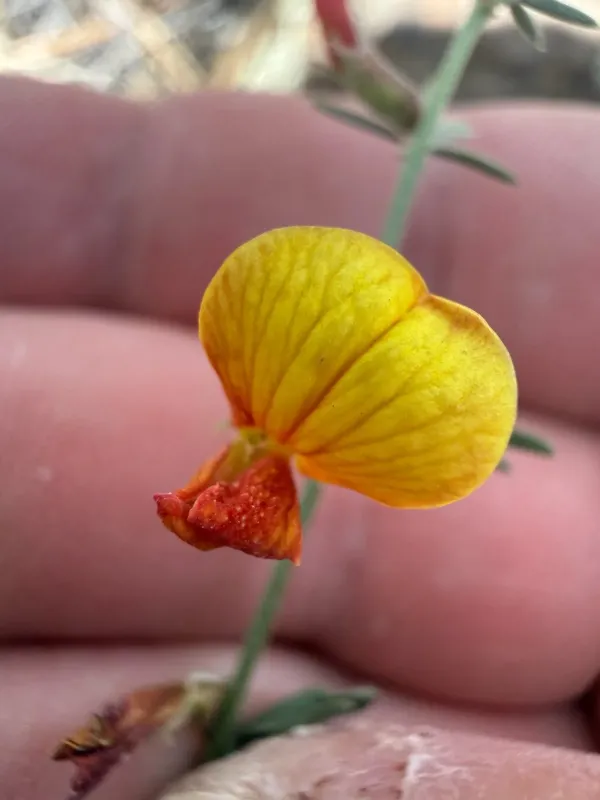
Botanically, it presents as a sub-shrub with a deep taproot system, which serves as a vital survival mechanism in its native habitat. The foliage is typical of the Lotus complex, and the yellow flowers appear as a diagnostic feature during the active growth period.
From an agricultural standpoint, Ottleya wrightii is highly valued for forage potential. Its nitrogen-fixing capabilities contribute to the long-term fertility of the soil, making it a sustainable choice for rehabilitating degraded grazing lands.
Main diseases and pests
Fungal pathogens associated with excessive moisture levels pose a significant threat to Ottleya wrightii. Poor drainage or high humidity can lead to root and crown rot, resulting in the premature death of established plants.
Insects, particularly beetles and weevils, can cause substantial damage to the leaves and developing reproductive parts. High populations of these pests during the vegetative stage can stunt growth and reduce overall biomass production.
Grasshoppers and other orthopterans are major threats in arid regions, as they tend to consume the palatable legume biomass. Monitoring these insect populations is essential during periods of significant drought.
Competition from invasive or highly aggressive weed species is a major concern during the early growth stages. Proper site preparation and the maintenance of optimal plant density are necessary to ensure the crop establishes successfully.
Overgrazing remains a significant biotic pressure that can lead to the thinning of stands. Sustainable management practices must balance the utilization of the biomass with the need for the plant to regenerate its reserves effectively.