
Ostreococcus tauri
Ostreococcus tauri
Description
Growing requirements
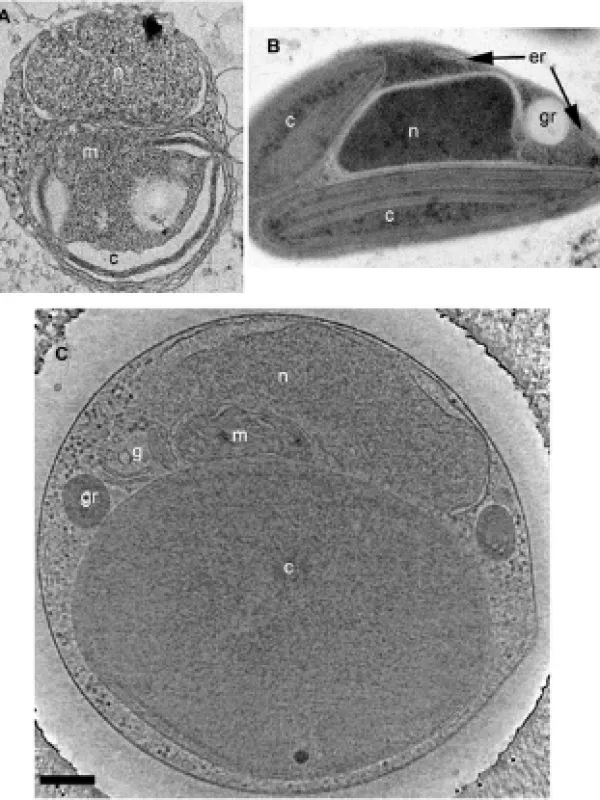
Ostreococcus tauri is a species of green algae that belongs to the class Mamiellophyceae. It is widely recognized as the smallest free-living eukaryote, with a compact cell structure that has been extensively studied in genomics due to its minimal gene set.
The native habitat of this organism encompasses marine environments worldwide, particularly coastal waters. It thrives in diverse light conditions, ranging from surface waters to deeper layers where light intensity is significantly reduced.
For successful agricultural production, Ostreococcus tauri requires precise environmental controls. Maintaining stable salinity levels is crucial, as the organism relies on specific osmotic pressures to sustain its delicate cell membranes.
Temperature management is another critical factor; the optimal growth range typically falls between 15°C and 25°C. Excessive heat can disrupt the photosynthetic efficiency and metabolic pathways of the culture, leading to rapid decline.
Nutrient supply protocols involve the use of specialized culture media enriched with nitrates, phosphates, and trace metal ions. Continuous mixing and high-frequency light cycles are employed to simulate natural conditions and promote vigorous growth rates.
Yield
The yield of Ostreococcus tauri is primarily measured by the volumetric concentration of biomass. In optimized photobioreactor settings, this species achieves rapid cellular division, making it highly efficient for continuous harvesting processes.
Research indicates that Ostreococcus tauri is a promising candidate for large-scale industrial cultivation. Potential applications include the production of essential fatty acids, carotenoids, and other biochemical compounds used in functional food and pharmaceutical sectors.
Main diseases and pests
While Ostreococcus tauri is robust, it is susceptible to viral pathogens, specifically large DNA viruses that can devastate cultured populations. Monitoring for signs of cellular lysis is essential for maintaining a healthy and productive crop.